
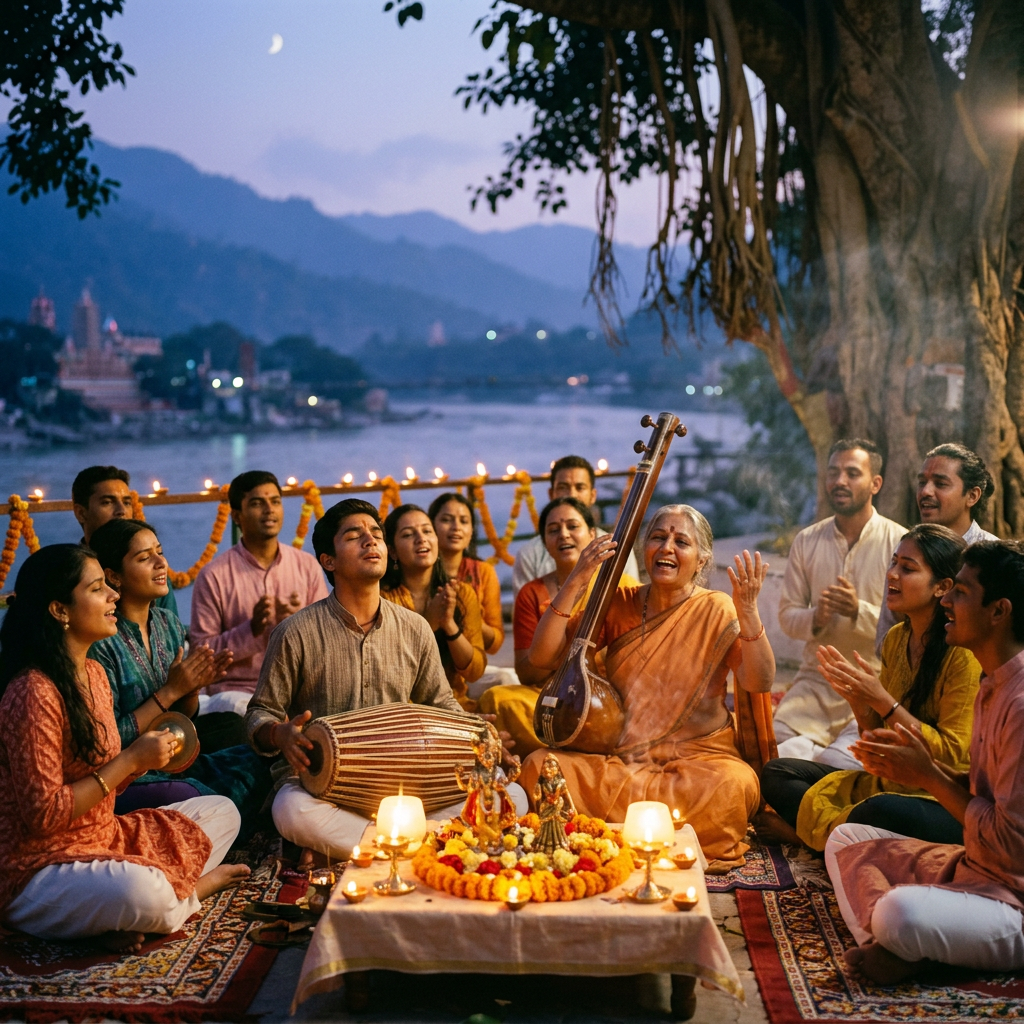
Naradha Bakthi Sutra with Tamil Translation
Prologue: The Original Product in a Market of Duplicates
We live in an age of counterfeit meaning. We are tuned to be the Bhakths of monetary pleasure rather than individual treasures. Words that once carried the power to liberate the human soul — foremost Bhakti, then spirituality, secularism, varna, even love — have been hollowed out, mass-produced, and sold back to us as cheap duplicates. A “spirituality” that soothes the ego instead of dissolving it. A “secularism” that mocks the sacred instead of making space for it. A “varna” degraded into the very caste oppression that the original vision was meant to transcend through spiritual realization.
This is not merely a linguistic problem. As the sage Narada might have warned, using a wrong translation is like using the wrong formula in sacred alchemy. The intended reaction—the synthesis of divine love—fails completely. Instead of the precious compound of liberation, one is left with a toxic residue of sentimentality, pride, and division. In the heated battle against these counterfeits, there is a grave risk: we may throw out the baby with the bathwater and be left with a hollow identity defined entirely by what it is against, not what it is for.
This text, the Narada Bhakti Sutra, is the original product. Attributed to the celestial sage Narada, it is the definitive map to the purest substance known to the human heart: Bhakti — the path illumined and embodied by Sri Ramanujacharya.
What is this Bhakti? It is not mere ritual or fleeting emotion. Narada defines it with surgical precision in the second sutra: It is of the nature of supreme love for the Divine (Parama Prema Rūpā). This is the continuous, unbroken loving meditation on the Supreme Lord Narayana, offered with complete self-surrender (prapatti). In the vision of Ramanuja, this supreme love is both the means and the end. It is its own fruit. On attaining it, one desires nothing else, grieves for nothing, and sees all beings in relation to the Lord.
Here lies its most radical and transformative power: this Bhakti reveals the profound equality of all souls before the Supreme. In Sutra 72, the text declares of true devotees: “In them, no difference in caste, learning, beauty, family, wealth, profession and so on are ever present. Because they are His own.”
This is not a political slogan. It is the direct inner reality experienced by the great Acharya Ramanuja, who opened the doors of temples to all, regardless of birth, and who drank deeply from the emotional devotion of the Tamil Alvars. Outcasts, women, kings, and saints alike were united in Parama Prema — a love so complete that all artificial hierarchies dissolve before the Lord, just as the individual soul (jiva) eternally exists in inseparable relationship with the Supreme, like body to soul.
In the 84 sutras presented here, you will find:
- The precise definition of this pure, surrendered love that cannot be faked.
- A practical blueprint for its cultivation — from the company one keeps, to the thoughts one nurtures, to the spirit of kainkaryam (loving service).
- A fierce warning against the wrong company of lust, anger, and delusion that corrupt the intelligence.
- And the triumphant declaration that this Bhakti alone is the greatest path, capable of purifying not just the individual, but the entire world, leading the soul to eternal, blissful communion in the service of the Lord.
We offer this text as a pure, uncluttered reference — the Sanskrit original alongside its English and Tamil translations. Treat it as a laboratory manual for the soul. Let it be the scalpel that cuts away the countless duplicates. For as Narada himself commands with urgent repetition in Sutra 42: “Attain that alone. Attain that alone.”
The original product is waiting.
பக்தி வழி.
| Sutra | Sanskrit Text | English Translation | Tamil Translation |
| 1 | अथातो भक्तिं व्याख्यास्यामः । १ । | Now, therefore, we will expound “bhakti”. | இனி, தூய பக்தியை அறிவோம். |
| athāto bhaktim vyākhyāsyāmah | |||
| 2 | सा त्वस्मिन् परप्रेमरूपा । २ । | Its nature is supreme love for This [God]. | பக்தி, தூய அன்பே அது. |
| sā tvasmin parapremarūpā | |||
| 3 | अमृतस्वरूपा च । ३ । | And it’s essential nature is nectar. | அதுவே பக்தாமிர்தம். |
| amṛtasvarūpā ca | |||
| 4 | यल्लब्ध्वा पुमान् सिद्धो भवति अमृतो भवति तृप्तो भवति । ४ । | On attaining which, a person becomes perfect, becomes immortal, becomes satisfied. | இதை கண்டவன் முழுமை அடைகிறான் பிறப்பிறப்பு நீங்கி திருப்தி அடைகிறான். |
| yallabdhvā pumān siddho bhavati amṛto bhavati tṛpto bhavati | |||
| 5 | यत्प्राप्य न किञ्चिद् वाञ्छति न शोचति न द्वेष्टि न रमते नोत्साही भवति । ५ । | Upon attaining which, one does not desire anything, does not lament, does not hate, does not enjoy [selfishly], does not become materially enthusiastic. | நீங்கா பக்தி கொண்டவன் எதை கண்டும் ஆசை கொள்ளாமல், துன்பம், விருப்பு வெறுப்பு துறந்து உலகியில் விரும்புவதும் இல்லை விலக்குவதும் இல்லை. |
| yatprāpya na kiñcid vāñchati na śocati na dveṣṭi na ramate notsāhī bhavati | |||
| 6 | यज्ज्ञात्वा मत्तो भवति स्तब्धो भवति आत्मारामो भवति । ६ । | Knowing which, one becomes intoxicated, becomes stunned, becomes self-satisfied. | பக்தி பரவசத்தில் ஒருவன் தன்னை மறந்தான், ஆணந்தம் கொண்டான் ஆத்மா கண்டான். |
| yajjñātvā matto bhavati stabdho bhavati ātmārāmo bhavati | |||
| 7 | सा न कामयमाना निरोधरूपत्वात् । ७ । | It is not the same as lust, for restraint is its nature. | இந்த தூய்மையான பக்தி காமம் விலக்கி மனதை ஒடுக்கும் சக்தி. |
| sā na kāmayamānā nirodharūpatvāt | |||
| 8 | निरोधस्तु लोकवेदव्यापारन्यासः । ८ । | Renunciation of all worldly and vedic activities is “restraint”. | இந்த பக்தி மோகத்திற்கு உலகியல் வியாபாரம் தேவையற்றது. |
| nirodhastu lokavedavyāpāranyāsaḥ | |||
| 9 | तस्मिन्ननन्यता तद्विरोधिषूदासीनता च । ९ । | It (bhakti) is exclusive feeling for That (God) and indifference for what is opposed. | இந்த பக்தி வேறு சிந்தையற்றது விரோதம் விலக்கி நிற்பது. |
| tasminnananyatā tadvirodhiṣūdāsīnatā ca | |||
| 10 | अन्याश्रयाणां त्यागोनन्यता । १० । | Renouncing all other shelters is “exclusiveness”. | இது வேறு எண்ணம் பலதுறந்த ஒற்றை சிந்தை கோபுரம். |
| anyāśrayāṇām tyāgonanyatā | |||
| 11 | लोकवेदेषु तदनुकूलाचरणं तद्विरोधिषूदासीनता । ११ । | Performing social and Vedic activities that are favorable and indifference to what is unfavorable. | இல்லறத்திலும் வேதத்திலும் உகாரம் போற்றி விகாரம் விலக்கிடுக. |
| lokavedeṣu tadanukūlācaraṇam tadvirodhiṣūdāsīnatā | |||
| 12 | भवतु निश्चयदार्ढ्यादूर्ध्व शास्त्ररक्षणम् । १२ । | Until becoming fully established, one should follow the scriptures. | பக்தியில் மனம் நிலை கொண்டாலும் உலகியில் சாஸ்திர ஞானம் போற்றவேண்டும். |
| bhavatu niścayadārḍhyādūrdhvam śāstrarakṣaṇam | |||
| 13 | अन्यथा पातित्यशङ्कया । १३ । | Otherwise there is a possibility of a fall. | அவ்வாறு போற்றாவிடின் பக்தி மார்கம் சிதைந்திடும். |
| anyathā pātityaśaṅkayā | |||
| 14 | लोकोऽपि तावदेव भोजनादि व्यापारस्त्वाशरीरधारणावधि । १४ । | Social [and Vedic] activities should be done until then, but activities such as eating etc. should be done while the body lasts. | சம்சார சுய ஒழுக்கம் போற்றுக ஆனால் ஆகாரம் பூதாகாரம் முடியுள்ளவரை பேணுக. |
| loko’pi tāvadeva bhojanādi vyāpārastvāśarīradhāraṇāvadhi | |||
| 15 | तल्लक्षणानि वाच्यन्ते नानामतभेदात् । १५ । | Its characteristics are stated variously according to different views. | இந்த பக்தியின் பார்வையை பல்வேறு மதத்தின் பார்வையில் கேட்போம். |
| tallakṣaṇāni vācyante nānāmatabhedāt | |||
| 16 | पूजादिष्वनुराग इति पाराशर्यः । १६ । | [Bhakti] is fondness for worship and the like, according to Vyasa. | வியாசரோ நித்ய இறை வழிபாடும், ஆன்மீக காதலையும் போற்றி புகழ்ந்தார். |
| pūjādiṣvanurāga iti pārāśaryaḥ | |||
| 17 | कथादिष्विति गर्गः । १७ । | [Bhakti] is discussions [about God] and the like, according to Garga. | கர்க்க முனி பக்தி லீலையும் அவதார ஞானத்தை நித்தம் கதைத்தார். |
| kathādiṣviti gargaḥ | |||
| 18 | आत्मरत्यविरोधेनेति शाण्डिल्यः । १८ । | [Bhakti is] pleasure in the Self, without obstruction, according to Shandilya. | சாண்டில்யரோ ஆத்ம ஞானம் ஆனந்த விரோதம் நீக்குக என்றார். |
| ātmaratyavirodheneti śāṇḍilyaḥ | |||
| 19 | नारदस्तु तदर्पिताखिलाचारता तद्विस्मरणे परमव्याकुलतेति । १९ । | But Nārada says [that bhakti] is dedicating all actions to God and extreme anguish if God is forgotten. | நாரதரோ தன் பிறப்பையே அவனுக்கு அர்ப்பணிக்க ஒரு நொடி மறந்தாலும் மரண வேதனையே என்றார். |
| nāradastu tadarpitākhilācāratā tadvismaraṇe paramavyākulateti | |||
| 20 | अस्त्येवमेवम् । २० । | There are examples of this. | இருக்கின்றது பலப் பல ஆதாரம். |
| astyevamevam | |||
| 21 | यथा व्रजगोपिकानाम् । २१ । | Such as the gopis of Vraja. | யார் என்றால் விரஜ ஆயர்பாடி பெண்டீர். |
| yathā vrajagopikānām | |||
| 22 | तत्रापि न माहात्म्यज्ञानविस्मृत्यपवादः । २२ । | Even there, there is no blame of forgetfulness of knowing God’s greatness. | விரஜ பெண்டீர் பக்தியில் மறக்கவில்லை அவன் ஞானக் கடல் பரமாத்மாவென்று. |
| tatrāpi na māhātmyajñānavismṛtyapavādaḥ | |||
| 23 | तद्विहीनं जाराणामिव । २३ । | Without that [knowledge], they would be like illicit lovers. | ஞானத் தெளிவு இல்லாவிடில் அது கூடாநட்பாய் மாறிவிடும். |
| tadvihīnam jārāṇāmiva | |||
| 24 | नास्त्येव तस्मिन् तत्सुखसुखित्वम् । २४ । | In that [illicit love], there is not happiness in the beloved’s happiness. | பிறநட்பில் இல்லாத ஒன்று, உலகியியல் மகிழ்ச்சியில் தன் மகிழ்ச்சி காண்பது. |
| nāstyeva tasmin tatsukhasukhitvam | |||
| 25 | सा तु कर्मज्ञानयोगेभ्योऽप्यधिकतरा । २५ । | It (bhakti) is superior to karma, jnana and yoga. | இந்த பக்தியோ கர்ம ஞான யோக நெறியை விட மிக மிக சிறந்தது. |
| sā tu karmajñānayogebhyo’pyadhikatarā | |||
| 26 | फलरूपत्त्वात् । २६ । | It is the nature of the fruit. | அது பல ரூபம் தன்னுள் கொண்டது. |
| phalarūpattvāt | |||
| 27 | ईश्वरस्याप्यभिमानद्वेषित्वात् दैन्यप्रियत्वात् च । २७ । | The Lord dislikes the proud, and is dear to the humble. | அக்கடவுளும் பக்திக்கு இனங்கி தூய்மையான அன்பில் இறங்கினார். |
| īśvarasyāpyabhimānadveṣitvāt dainyapriyatvāt ca | |||
| 28 | तस्याः ज्ञानमेव साधनमित्येके । २८ । | Some say that it (bhakti) only comes from jnana. | நாரதர் இனி பக்திக்கு ஞானமே சாதனம் என்று கூறுகிறார். |
| tasyāḥ jñānameva sādhanamityeke | |||
| 29 | अन्योन्याश्रयत्वमित्यन्ये । २९ । | Others say that they [bhakti & jnana] are mutually dependant. | பரஸ்பர அன்பென்றார் ஞானியர். |
| anyonyāśrayatvamityanye | |||
| 30 | स्वयं फलरूपतेति ब्रह्मकुमारः । ३० । | [According to] Nārada, it is its own fruit. | தன்னுடமையானது பல ரூபமானது என்றார் பிரம்மகுமாரர். |
| svayam phalarūpateti brahmakumāraḥ | |||
| 31 | राजगृहभोजनादिषु तथैव दृष्टत्वात् । ३१ । | Just like seeing a king’s palace, food and so on. | அரண்மனை சாப்பாடு எவ்வாறோ இதுவும் அவ்வாறே. |
| rājagṛhabhojanādiṣu tathaiva dṛṣṭatvāt | |||
| 32 | न तेन राजा परितोषः क्षुच्छान्तिर्वा । ३२ । | A king is not satisfied this way, nor is hunger pacified. | அந்த அறிவால் மனம் நிறையாது பசி தீராது. |
| na tena rājā paritoṣaḥ kṣucchāntirvā | |||
| 33 | तस्मात् सैव ग्राह्या मुमुक्षुभिः । ३३ । | Therefore, it (bhakti) should be accepted by those who desire liberation. | ஆகையால் பக்தி ஒன்றே முழுமையான முக்தி தரும். |
| tasmāt saiva grāhyā mumukṣubhiḥ | |||
| 34 | तस्याः साधनानि गायन्त्याचार्याः । ३४ । | Great teachers sing of the means to attain it [bhakti]. | அப்பக்தியின் சாதனங்களை கூறுகின்றார் நம் ஆசிரியர். |
| tasyāḥ sādhanāni gāyantyācāryāḥ | |||
| 35 | तत्तु विषयत्यागात् सङ्गत्यागात् च । ३५ । | [One attains devotion by] renouncing objects of enjoyment and renouncing attachment. | பக்தி மலர வழியே லோகத் தியாகம் பந்த தியாகம். |
| tattu viṣayatyāgāt saṅgatyāgāt ca | |||
| 36 | अव्यावृत्तभजनात् । ३६ । | By ceaseless worship. | தினமும் மனமும் ஒருமித்த போற்றி வழிபாடு. |
| avyāvṛttabhajanāt | |||
| 37 | लोकेऽपि भगवद्गुणश्रवणकीर्तनात् । ३७ । | By hearing and chanting about the Blessed Lord’s qualities, even during the ordinary activities of life. | சம்சார சஞ்சாரத்திலும் கேட்க பகவன் நாமம் சங்கீதமும். |
| loke’pi bhagavadguṇaśravaṇakīrtanāt | |||
| 38 | मुख्यतस्तु महत्कृपयैव भगवत्कृपालेशाद् वा । ३८ । | Mainly, however, [one develops bhakti] by the mercy of great souls, or by a little grace of Bhagavan. | முக்கியமான அது பெரியோர் உறவாலும் பகவன் கிருபையாலும் மலரும். |
| mukhyatastu mahatkṛpayaiva bhagavatkṛpāleśād vā | |||
| 39 | महत्सङ्गस्तु दुर्लभोऽगम्योऽमोघश्च । ३९ । | The association of great souls is difficult to achieve, difficult to understand, and infallible. | பெரியோர்களின் உறவோ அரிதானது புதிரானது அடைந்தால் வீணாகாதது. |
| mahatsaṅgastu durlabho’gamyo’moghaśca | |||
| 40 | लभ्यतेऽपि तत्कृपयैव । ४० । | [Company of great souls] is obtained only by God’s grace. | அவனருளே நல்லோர் உறவாக அவன்தாள் வணங்க. |
| labhyate’pi tatkṛpayaiva | |||
| 41 | तस्मिंस्तज्जने भेदाभावात् । ४१ । | [This is because] God and His devotee are non-different. | அவனும் அவனடியாரும் அவனென்றே அறிக. |
| tasmiṃstajjane bhedābhāvāt | |||
| 42 | तदेव साध्यतां तदेव साध्यताम् । ४२ । | Attain that alone. Attain that alone. [Strive only for that. Strive only for that.] | அதுவே பழக்கமாகட்டும் அதுவே பழக்கமாகட்டும். |
| tadeva sādhyatām tadeva sādhyatām | |||
| 43 | दुस्सङ्गः सर्वथैव त्याज्यः । ४३ । | Evil company should be given up by all means. | தவறான நட்பு எக்காலத்திலும் தவிர்க்கப்பட வேண்டும். |
| dussaṅgaḥ sarvathaiva tyājyaḥ | |||
| 44 | कामक्रोधमोहस्मृतिभ्रंशबुद्धिनाशकारणत्वात् । ४४ । | [Evil company] is the cause of lust, anger, delusion, forgetfulness, loss of intelligence, and total destruction. | காரணமாய் காம விரோதம் மயக்கம் நற்பணி மறக்கும் மதி மற்றவை இழக்க காரணமாம். |
| kāmakrodhamohasmṛtibhraṃśabuddhināśakāraṇatvāt | |||
| 45 | तरङ्गायिता अपीमे सङ्गात् समुद्रायन्ते । ४५ । | Starting as ripples, through [evil] company these can become an ocean. | அலையெனத் தொடங்கிய தீயநட்பு சமுத்திரமானது போலானது. |
| taraṅgāyitā apīme saṅgāt samudrāyante | |||
| 46 | कस्तरति कस्तरति मायाम् यः सङ्गं त्यजति यो महानुभावं सेवते निर्ममो भवति । ४६ । | Who crosses over. Who crosses over maya? One who gives up bad company / attachment, who serves a great person, who is without ego [me and mine]. | எவன் விலக்கினான் எவன் விலக்கினான் இந்த மாயையை தீயோர் உறவை விலக்கிய அவனே. |
| kastarati kastarati māyām yaḥ saṅgam tyajati yo mahānubhāvam sevate nirmamo bhavati | |||
| 47 | यो विविक्तस्थानं सेवते यो लोकबन्धमुन्मूलयति निस्त्रैगुण्यो भवति योगक्षेमं त्यजति । ४७ । | [Who crosses over maya?] One who lives in seclusion [in a pure place], who uproots worldly bondage, who is free from the three gunas [three worlds], who gives up the desire for gain and security. | மகான்களை வணங்கிய அவன் அகங்காரத்தை துறக்கிறான். |
| yo viviktasthānam sevate yo lokabandhamunmūlayati nistraiguṇyo bhavati yogakṣemam tyajati | |||
| 48 | यः कर्मफलं त्यजति कर्माणि संन्यस्यति ततो निर्द्वन्द्वो भवति । ४८ । | [Who crosses over maya?] One who gives up the fruits of actions, who renounces selfish activities, becomes free from duality. | எவன் தனிமையை நாடுகிறானோ அவன் சம்சார பந்தங்களை அகற்றினான். |
| yaḥ karmaphalam tyajati karmāṇi saṃnyasyati tato nirdvandvo bhavati | |||
| 49 | यो वेदानपि संन्यस्यति केवलमविच्छिन्नानुरागं लभते । ४९ । | [Who crosses over maya?] One who even renounces the Vedas, who attains exclusive, uninterrupted loving attraction. | எவன் வேதபலன்களை துறக்கிறான் அவன் தூய நிபந்தனையற்ற அன்பை பெறுகிறான். |
| yo vedānapi saṃnyasyati kevalamavicchinnānurāgam labhate | |||
| 50 | स तरति स तरति स लोकांस्तारयति । ५० । | He/she crosses beyond. He/she crosses beyond, [and] helps others to cross beyond. | அவன் கடத்தினான் அவன் கடத்தினான் உலக மாயையும் கடத்தினான். |
| sa tarati sa tarati sa lokāṃstārayati | |||
| 51 | अनिर्वचनीयं प्रेमस्वरूपम् । ५१ । | [In the form of love, it is beyond description.] | அப்புரியா வாக்கியம் அன்பின்ரூபம். |
| anirvacanīyam premasvarūpam | |||
| 52 | मूकास्वादनवत् । ५२ । | Like a mute describing what he tastes. | ஊமையின் விளக்கம் போல். |
| mūkāsvādanavat | |||
| 53 | प्रकाशते क्वापि पात्रे । ५३ । | It manifest in the hearts of some. | ஒளிரும் தகுந்த ரூபத்தில். |
| prakāśate kvāpi pātre | |||
| 54 | गुणरहितं कामनारहितं प्रतिक्षणवर्धमानं अविच्छिन्नं सूक्ष्मतरं अनुभवरूपम् । ५४ । | Without qualities, without desire, ever increasing, uninterrupted, most subtle, in the form of inner experience. | குணாதசை பசலைபோல் நித்தம் மிளிரும் தூய நுட்ப ரூபம். |
| guṇarahitam kāmanārahitam pratikṣaṇavardhamānam avicchinnam sūkṣmataram anubhavarūpam | |||
| 55 | तत्प्राप्य तदेवावलोकति तदेव शृणोति तदेव भाषयति तदेव चिन्तयति । ५५ । | Obtaining that [bhakti], one sees That alone, hears That alone, speaks of That alone, thinks of That alone. | அத்தகைய பக்தன் அதையே பார்ப்பன் அதையே கேட்பான் அதையே பேசுவான் அதையே சிந்திப்பான். |
| tatprāpya tadevāvalokati tadeva śṛṇoti tadeva bhāṣayati tadeva cintayati | |||
| 56 | गौणी त्रिधा गुणभेदाद् आर्तादिभेदाद् वा । ५६ । | Mixed [impure devotion] is divided according to the three gunas, or according to the three motivations, such as distressed etc. | சார்பக்தி மூக்குணமும் மூன்று அர்த்தங்கள் கொண்டது. |
| gauṇī tridhā guṇabhedād ārtādibhedād vā | |||
| 57 | उत्तरस्मादुत्तरस्मात् पूर्व पूर्वा श्रेयाय भवति । ५७ । | The earlier [categories] are greater than the succeeding [categories]. | முன்னிருந்த முந்தைய பின்வரும் பிந்தைய நிலைகள் நன்றாக விளங்கும். |
| uttarasmāduttarasmāt pūrva pūrvā śreyāya bhavati | |||
| 58 | अन्य मत् सौलभं भक्तौ । ५८ । | It is easier to attain through devotion than by any other means. | இத்தகைய பக்தி மூக்குணங்களால் மூவகை அர்த்தங்களால் விளக்கப்படும். |
| anya mat saulabham bhaktau | |||
| 59 | प्रमाणान्तरस्यानपेक्षत्वात् स्वयं प्रमाणत्वात् । ५९ । | It does not depend on any other proof, being itself its own proof. | மற்றைய மார்க்கம் காட்டிலும் பக்திமார்க்கம் தனிச்சிறந்தது. |
| pramāṇāntarasyānapekṣatvāt svayam pramāṇatvāt | |||
| 60 | शान्तिरूपात् परमानन्दरूपाच्च । ६० । | Peace is its nature and supreme bliss is its nature. | பரமாணந்திற்கு வேறு சாதனமில்லை பக்தியே பரமாணந்தம். |
| śāntirūpāt paramānandarūpācca | |||
| 61 | लोकहानौ चिन्ता न कार्या निवेदितात्मलोकवेदत्वात् । ६१ । | He need not worry about worldly loss, because he has surrendered his Self, the world and Vedic injunctions. | அமைதியின் வடிவமே பரமாணந்த வடிவமாகும். |
| lokahānau cintā na kāryā niveditātmalokavedatvāt | |||
| 62 | न तत्सिद्धौ लोकव्यवहारो हेयः किन्तु फलत्यागः तत्साधनं च । ६२ । | To attain it [bhakti] one should not give up social duties. Rather renounce their fruits. Actions, which lead to that (bhakti), must indeed be done. | சம்சார துன்பத்தில் துவளவேண்டாம் அவன் ஆத்ம வேத கடமையை துறந்தவன். |
| na tatsiddhau lokavyavahāro heyaḥ kintu phalatyāgaḥ tatsādhanam ca | |||
| 63 | स्त्रीधननास्तिकचरित्रं न श्रवणीयम् । ६३ । | Descriptions about sex, money, atheist [and enemies] should not be heard. | பெண் பொருள் நாத்திகம் கதைக்க பார்க்க கேட்க வேண்டாம். |
| strīdhananāstikacaritram na śravaṇīyam | |||
| 64 | अभिमानदम्भादिकं त्याज्यम् । ६४ । | Pride, hypocrisy and other vices should be given up. | தான் என்றும் தனதென்றும் எண்ண வேண்டாம். |
| abhimānadambhādikam tyājyam | |||
| 65 | तदर्पिताखिलाचारः सन् कामक्रोधाभिमानादिकं तस्मिन्नेव करणीयम् । ६५ । | Offering all actions to Him, one must direct lust, anger, pride etc. towards Him alone. | எண்ணம் குணம் அவனாக காம கரோத ஆசை துறந்து அவனை சேர வேண்டும். |
| tadarpitākhilācāraḥ san kāmakrodhābhimānādikam tasminneva karaṇīyam | |||
| 66 | त्रिरूपभङ्गपूर्वकम् नित्यदास्यनित्यकान्ताभजनात्मकं प्रेम कार्यं प्रेमैव कार्यम् । ६६ । | After breaking beyond the three forms [of bhakti], one should worship always as servant, always as lover, loving Him only for love’s sake. | மூக்குணங்களையும் விளக்கும் வடிவம் தினமும் வேண்டும் தினமும் போற்றும் ஆத்மகீதம். |
| trirūpabhaṅgapūrvakam nityadāsyanityakāntābhajanātmakam prema kāryam premaiva kāryam | |||
| 67 | भक्ता एकान्तिनो मुख्याः । ६७ । | The highest devotees single-minded. | பக்தா நித்ய ஆனந்த தியானமே மேலானது. |
| bhaktā ekāntino mukhyāḥ | |||
| 68 | कण्ठावरोधरोमञ्चाश्रुभिः परस्परं लपमानाः पावयन्ति कुलानि पृथिवीं च । ६८ । | Sharing with one another with throats choked, hair standing erect, and tears flowing, they purify their family and the earth. | பக்தி பரவசத்தில் மெய்சிலிர்க்க கண்ணீர்பெருக இறை பெருமையை போற்றிப்பாட அவர்குலமும் நம்பூமியும் தூய்மையானது. |
| kaṇṭhāvarodharomañcāśrubhiḥ parasparam lapamānāḥ pāvayanti kulāni pṛthivīm ca | |||
| 69 | तीर्थीकुर्वन्ति तीर्थानि सुकर्मी कुर्वन्ति कर्माणि सच्छास्त्रीकुर्वन्ति शास्त्राणि । ६९ । | They make holy places holy, make actions into holy action, and make scriptures true scriptures. | அவனால் புனிதநீர் புனிதமானது அவர்செயலோ நற்கர்மாவானது நடைமுறையோ சாஸ்திரமானது. |
| tīrthīkurvanti tīrthāni sukarmī kurvanti karmāṇi sacchāstrīkurvanti śāstrāṇi | |||
| 70 | तन्मयाः । ७० । | [They] are filled with Him. | அவனே பரமாத்மா. |
| tanmayāḥ | |||
| 71 | मोदन्ते पितरो नृत्यन्ति देवताः सनाथा चेयं भूर्भवति । ७१ । | The ancestors rejoice, the gods dance and this earth finds a good master. | மகிழ்ச்சியான பித்ருக்கள் சந்தோஷநடனமாடின தேவதைகள் பூமிமாதா பெருமை கொண்டாள் இந்நாயகனால். |
| modante pitaro nṛtyanti devatāḥ sanāthā ceyam bhūrbhavati | |||
| 72 | नास्ति तेषु जातिविद्यारूपकुलधनक्रियादि भेदः । ७२ । | In them no difference in caste, learning, beauty, family, wealth, profession and so on are ever present. | பேதங்கள் இல்லை என் சாதி, அறிவு, அழகு, வம்சம், பொருள், தொழில் என்ற வேறுபாடு இல்லை. |
| nāsti teṣu jātividyārūpakuladhanakriyādi bhedaḥ | |||
| 73 | यतस्तदीयाः । ७३ । | Because they are His own. | அவர்கள் பரமாத்மாவே. |
| yatastadīyāḥ | |||
| 74 | वादो नावलम्ब्यः । ७४ । | One should not indulge in debate. | வாதவிவாதங்கள் இல்லை. |
| vādo nāvalambyaḥ | |||
| 75 | बाहुल्यावकाशत्वाद् अनियतत्त्वाच्च । ७५ । | Such argumentation leads to excessive entanglements and is never decisive. | பக்தி தனித்துவமானது வேறுபாடுகளுக்கு அப்பாற்பட்டது. |
| bāhulyāvakāśatvād aniyatattvācca | |||
| 76 | भक्तिशास्त्राणि मननीयानि तदुद्बोधकर्माणि करणीयानि । ७६ । | Devotional scriptures should be reflected upon and those actions that inspire [devotion] should be done. | பக்தி வசனங்கள் நித்தம்பாடி உணர்ச்சி பொங்க ஆத்மஆனந்தம் அடையவேண்டும். |
| bhaktiśāstrāṇi mananīyāni tadudbodhakarmāṇi karaṇīyāni | |||
| 77 | सुखदुःखेच्छालाभादित्यक्ते काले प्रतीक्ष्यमाणे क्षणार्धमपि व्यर्थं न नेयम् । ७७ । | Giving up (being freed from the dualities of/enduring) happiness, misery, desire, profit and the like, one gains more time. One must not waste even half a moment. | இன்பதுன்பம் ஆசை லாபநஷ்டம் துறந்து அவனருளாலே நொடியும் அவன்தாள் வணங்க வேண்டும். |
| sukhaduḥkhecchālābhādityakte kāle pratīkṣyamāṇe kṣaṇārdhamapi vyartham na neyam | |||
| 78 | अहिंसासत्यशौचदयास्तिक्यादिचरित्राणि परिपालनीयानि । ७८ । | Virtues such as nonviolence, honesty, cleanliness, compassion and faith should cultivated. | தீங்கிழைக்கா உண்மை தூயகருணை இறைநம்பிக்கை நற்பண்பே இயல்பாக வேண்டும். |
| ahiṃsāsatyaśaucadayāstikyādicaritrāṇi paripālanīyāni | |||
| 79 | सर्वदा सर्वभावेन निश्चिन्तैर्भगवानेव भजनीयः । ७९ । | Free from worries, one should always, with all of one’s feelings, worship the Lord alone. | எல்லா காலங்களும் எல்லா வழிகளிலும் எண்ணங்கள் வேறன்றி இறைவழிபாடே வேரூன்ற வேண்டும். |
| sarvadā sarvabhāvena niścintairbhagavāneva bhajanīyaḥ | |||
| 80 | सङ्कीर्त्यमानः शीघ्रमेवाविर्भवत्यनुभावयति भक्तान् । ८० । | Thus glorified, the Lord quickly directly reveals Himself to His devotee. | இவ்வாறு துதிபாடி அழைக்க விரைவாக வருவான் பக்தர்களுக்கு தன்னையே அருள்வான். |
| saṅkīrtyamānaḥ śīghramevāvirbhavatyanubhāvayati bhaktān | |||
| 81 | त्रिसत्यस्य भक्तिरेव गरीयसी भक्तिरेव गरीयसी । ८१ । | Devotion to the eternal Truth is the greatest, devotion is the greatest. | எக்காலத்திலும் பக்தி ஒன்றே சிறந்தது பக்தி ஒன்றே சிறந்தது. |
| trisatyasya bhaktireva garīyasī bhaktireva garīyasī | |||
| 82 | गु… अपि एकादशधा भवति । ८२ । | Although one, it (bhakti) takes on eleven forms thus: 1. Attachment to His glorious qualities, 2. attachment to His beauty… and 11. the supreme attachment to feeling the pain of separation from Him. | பக்தி ஒன்றானாலும் பதினொன்றாக வெளிப்படுகிறது குணமாய், வடிவமாய், போற்றுதலாய், நினைவாக… மரண வேதனை அடையும் பற்றென பற்றுக. |
| guṇamāhātmyāsakti… ekadhā api ekādaśadhā bhavati | |||
| 83 | इत्येवं वदन्ति जनजल्पनिर्भयाः एकमताः… भक्ताचार्याः । ८३ । | Thus unanimously declare, without fear of the opinions of ordinary people, the teachers of devotion such as the Kumāras, Vyāsa, Śuka, Śāndilya, Garga… | இவ்வாறு பக்தி விதியை கூறுகின்றனர் உலகமக்களுக்கு ஏச்சும்பேச்சும் விலக்கி ஒருமனதுடன் போதித்த ஆசிரியர்கள்… |
| ityevam vadanti janajalpanirbhayāḥ ekamatāḥ… bhaktyācāryāḥ | |||
| 84 | य इदं नारदप्रोक्तं शिवानुशासनं विश्वसिति… प्रेष्टं लभते । ८४ । | Whoever believes and follows with faith this auspicious teaching spoken by Nārada, becomes a devotee and attains the Beloved. He attains the Beloved [the highest aim] indeed. | எவன் இந்த நாரதபக்திவிதியை நம்பிக்கையோடு ஏற்கிறானோ அவன் தூயபக்தனாகிறான். அவனே தூயஆத்மா அவனே பரமாத்மா. |
| ya idam nāradaproktam śivānuśāsanam viśvasiti… |

 Arambhin
Leave a comment