
(Circumambulation at Every Step)
Nature does not chase perfection. She rotates.
Nothing in her world is designed to arrive and remain frozen. Days move. Seasons turn. Years breathe in and out. There is no “perfect” morning, no flawless ritu, no ideal month. Each exists only because the next is waiting to replace it. Spring cannot stay spring. Summer must burn. Monsoon must disturb. Winter must withdraw.
A perfect season would break the wheel. Nature never promised comfort; she offered rhythm.
The Physics of the Sacred
Action is a snapshot. Motion is a continuum. A moment can look chaotic, but a sequence reveals harmony. This truth becomes unmistakable when we watch a bird.
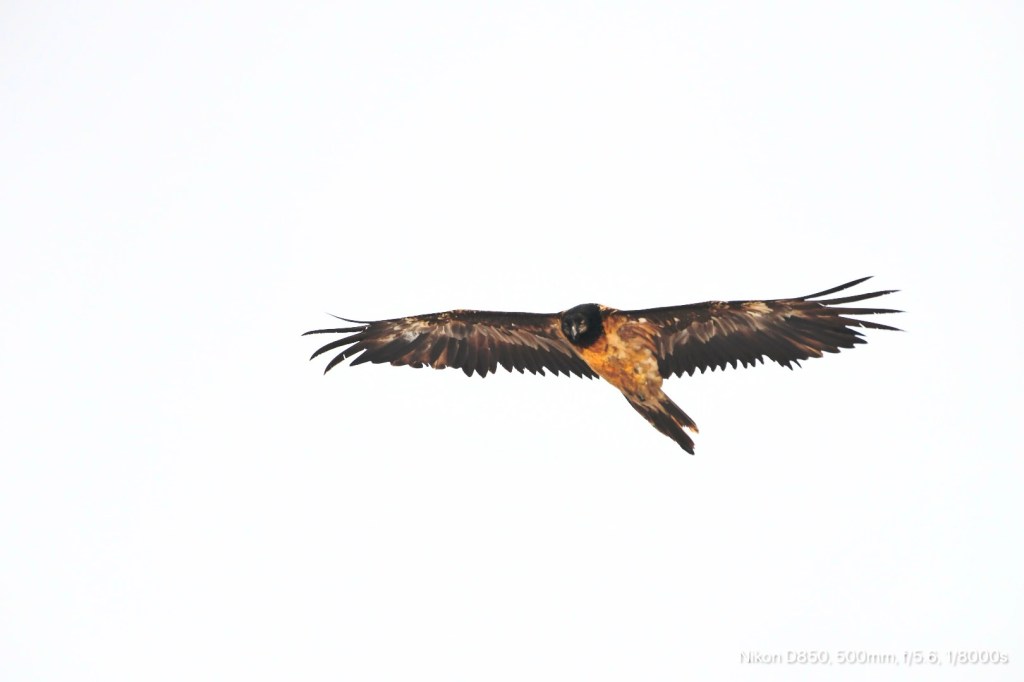
If you freeze a bird mid-flight, it looks broken. One wing twisted, feathers scattered, body tilted awkwardly. In a still frame, it is imperfect—almost a failure. But let it move. The same wings become poetry. The imbalance becomes lift. The chaos becomes navigation. Flight is not found in a flap; it exists in the space between flaps.
Perfection is not in the action of wings beating. It is in the continuity of motion. Stop the motion, and the bird falls. Stillness demands a perfection that doesn’t exist. Motion creates a balance that does.
The Stability of the Spin
A stationary bike cannot stand. At rest, it collapses. But once it moves, balance appears naturally. Not because the road became perfect, but because motion began correcting imbalance. The bike is most stable when it is moving.
Life works the same way. We search for perfect decisions, perfect timing, perfect clarity. Nature waits for none of that. She says: Move, and balance will follow.
Transitions and the Full Moon
Nature does not perfect events; she perfects transitions. Dawn, not noon. Dusk, not midday. Waxing, not fullness. Waning, not decline. Even destruction, seen in motion, becomes renewal. A storm in isolation is violence. In rhythm, it is restoration.
Think of riding a bike under a full moon. You turn left, it turns with you. You slow down, it waits. You stop, it stands still. The moon is not following you; you are moving inside something larger.
The realization appears gently: The moon is perfect all the time. Only our view waxes and wanes. Nothing happens to the moon. Everything happens to our position. Truth does not fluctuate; perception does. Success and failure are merely angles. Loss and gain are shadows.
The Spiral of Truth
You felt you were returning to the same idea again and again. But wisdom does not move in straight lines. It moves in pradakshinam.
“Enga sutthiyum Ranganai sevikkannum.”
You don’t circle because you are lost. You circle until the same truth becomes visible from every direction. Same truth; different darshan. This is not repetition—it is integration. A loop repeats at the same height, but a spiral returns higher each time.
Pate pate—step by step. The path is not leading you to the center; the path is realizing that you are already circling the center.
The Final Rhythm
Nature does not sell perfection; that is a commercial narrative. She offers rhythm. Rise and fall. Light and shadow. Hunger and fullness. Action and rest. Not one side winning forever, but both taking turns.
When you stop asking, “Why isn’t my life perfect?” and begin asking, “Where am I in the cycle?” something settles. You realize you were never meant to be flawless. You were meant to move.
Because in a rhythmic universe, perfection does not exist in the beat—it reveals itself only in the music.

 Arambhin
Leave a reply to Raghu Jagannathan Cancel reply