
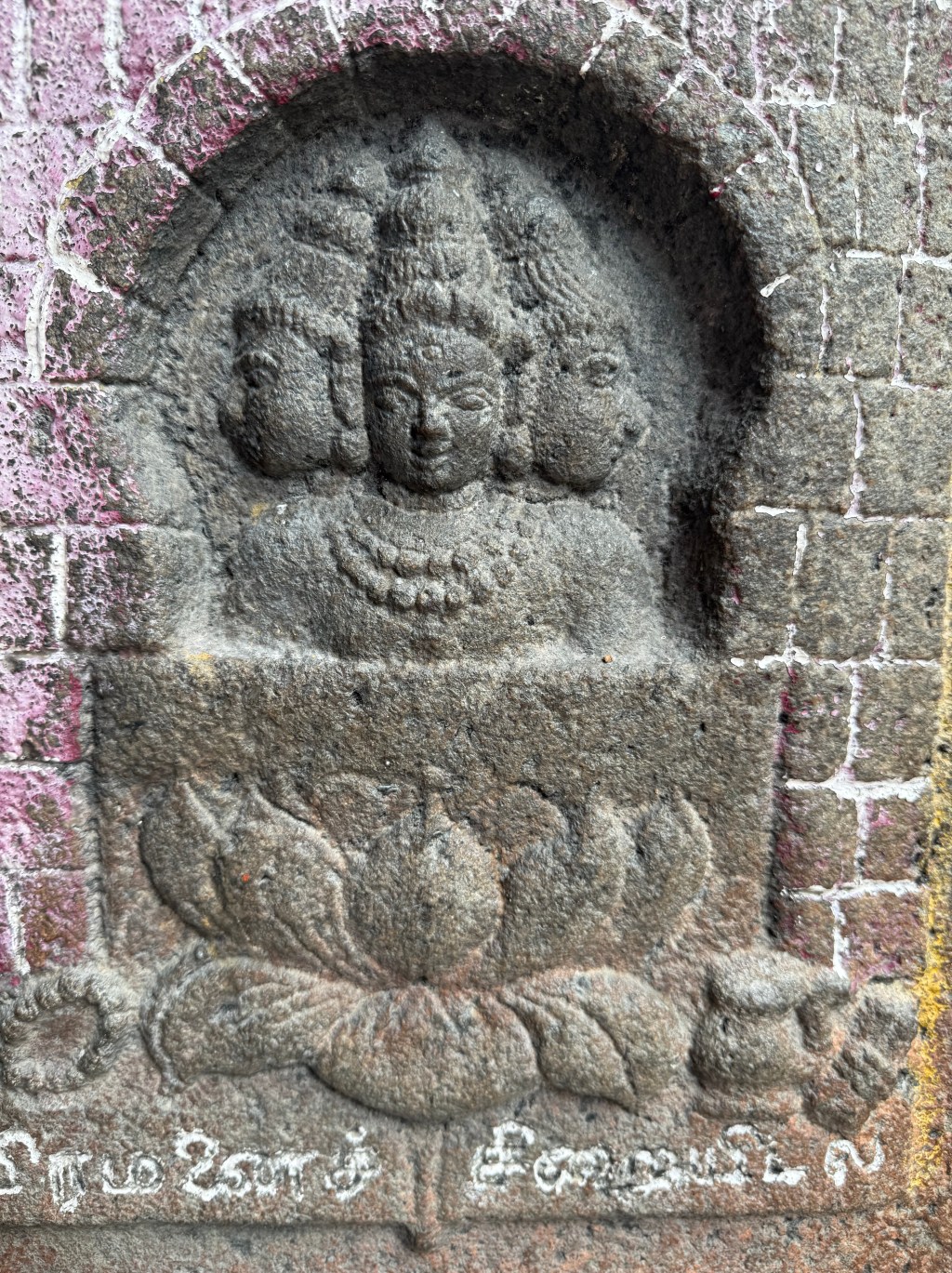
Ashtavakra for the Algorithm Age
Self-improvement is the most socially approved addiction of our time.
Wake earlier.
Optimize habits.
Upgrade mindset.
Build a better body.
Design a better you.
It sounds powerful. It feels responsible.
But what if the constant urge to improve is the very thing keeping you psychologically bound?
A seeker once asked Ashtavakra whether self-improvement leads to freedom.
His answer, preserved in the Ashtavakra Gita, was radical:
Freedom is not achieved.
It is recognized.
⸻
The Hidden Assumption
Every self-improvement project begins with a quiet belief:
Something is wrong with me.
I am incomplete.
I must become better.
Freedom lies in the future.
That belief becomes the engine of becoming.
And becoming never ends.
You fix your body.
Then your productivity.
Then your emotional intelligence.
Then your spiritual alignment.
The surface evolves.
The center remains unquestioned.
⸻
The Algorithm Loves This
The attention economy thrives on optimization culture.
You are never finished.
There is always another framework.
Another morning routine.
Another self-upgrade.
Gen Z lives inside accelerated feedback loops:
Short videos.
Infinite scroll.
Constant novelty.
Rapid validation.
Frequent change feels like growth.
But often, it is avoidance.
Instead of understanding boredom, we stimulate.
Instead of observing insecurity, we redesign identity.
Instead of staying with discomfort, we pivot.
Improvement keeps you moving.
Awareness keeps you looking.
And looking is harder.
⸻
The New Year Illusion
Every January, the ritual begins.
New year.
New habits.
New discipline.
New identity.
Resolutions are structured dissatisfaction.
They create two selves:
The present self failing.
The future self judging.
Motivation spikes.
Consistency dips.
Guilt enters.
The ego splits and calls it progress.
Self-improvement waits for calendars.
Awareness does not.
⸻
Aura vs Awareness
Self-improvement mostly operates at the level of aura.
Better posture.
Better brand.
Better confidence.
Better discipline.
Aura is projection.
Awareness is perception.
Aura refines the image.
Awareness questions the image-maker.
Even spiritual self-improvement can become ego refinement.
Calmer persona.
Higher vibration.
More enlightened identity.
The ego does not disappear.
It becomes sophisticated.
⸻
Ashtavakra’s Shock
Ashtavakra does not suggest gradual polishing.
He points to misidentification.
You are not bound.
You are mistaken about who you are.
Freedom is not built through effort.
It appears when false identification is clearly seen.
Not improved.
Seen.
When anger is fully understood, it loosens without suppression.
When fear is completely observed, it shifts without strategy.
Clarity has gravity.
It does not fight illusion.
It exposes it.
⸻
The Subtle Trap
Self-improvement promises a better future self.
Awareness invites direct seeing now.
Improvement says:
“I will become free.”
Awareness asks:
“Who is this ‘I’ trying to become?”
Improvement strengthens the character.
Awareness investigates the character.
You can spend a lifetime upgrading the costume.
Or you can examine the actor.
⸻
This Is Not Laziness
Skills can improve.
Health can improve.
Craft can improve.
Ashtavakra is not denying functional growth.
He is pointing to psychological freedom.
The sense of “me” that feels incomplete and in need of constant fixing is a story.
Stories dissolve when seen clearly.
⸻
The Quiet Rebellion
In a world addicted to reinvention,
the most radical act is sustained attention.
Before the first scroll.
Before the next upgrade.
Before the next identity shift.
Pause.
Not to become something better.
But to see what is already happening.
Improvement is movement toward an imagined future.
Freedom is clarity without direction.
The algorithm tells you to become more.
Ashtavakra whispers:
See clearly.
Nothing else is required.
 Arambhin
Leave a comment