
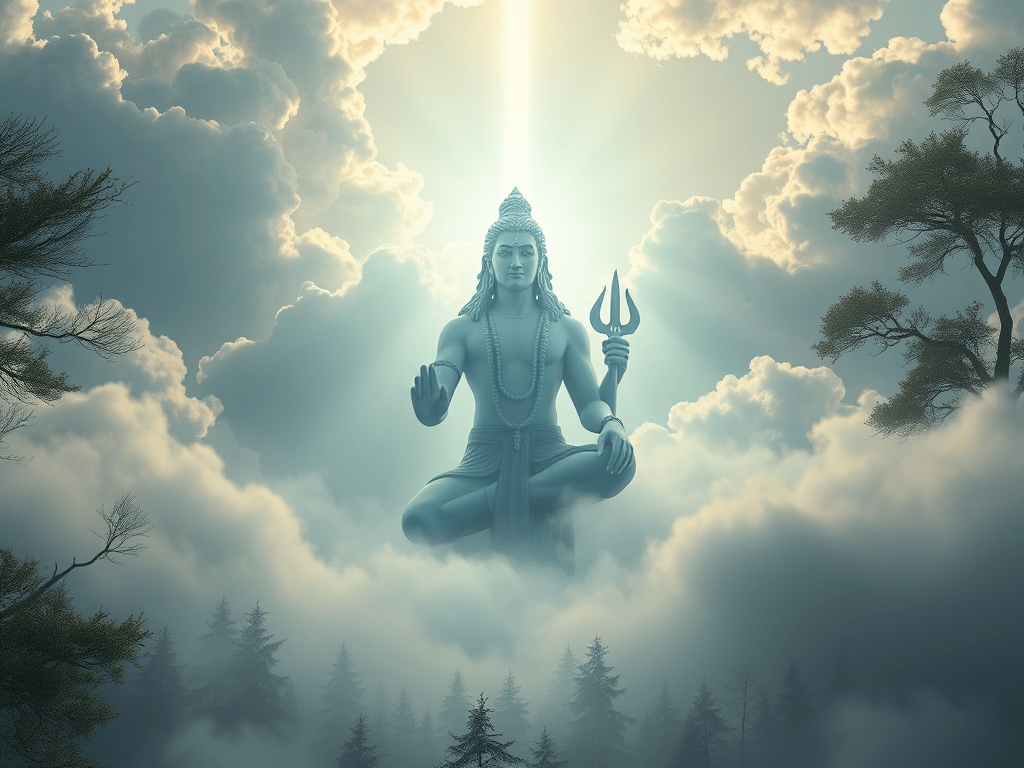
புலன் கடந்து ஞானம் தேடும் பயணம்
A well said Resolve for the Auspicious Mind is “Siva Sanklapa Suktam”.
Shiva means: auspicious; meditative; of divine mind; benevolent; beneficent. Sankalpa is an unbreakable resolve. Sukta means well said. It is practiced for developing calm clear thoughts, alignment to purposeful living, and for strengthening mental resolve.
Shiva Sankalpa Sukta is a powerful six-verse hymn from the Rig Veda that asks the mind “to dwell on the auspicious will of the Divine”. It helps cultivate conscious resolve in alignment with one’s unique purpose and most fulfilled life. The cadence of this recording is in the style of Swami Veda Bharati, a successor of Swami Rama and former spiritual head of the Swami Rama Sadhaka Grama, the Himalayan Tradition’s ashram in Rishikesh.
It is a practice to rewire the brain and nourishes the subtle tissues to pair with the light of one’s Soul and reason for life. Best used when seeking answers, calming the mind, or to bring fuel to your continue your path well.
Swami Veda Bharati of the Himalayan Sage Tradition taught that the entire 6 verse Mantra could be remembered in its last phrase:
Tan me manaha siva sankalpam astu
என் மனமே நீ மனமார சிவனாறு
and that this phrase especially, is very useful during the day when in a pause, rest or transition from one thing to the next. It is also best chanted before bedtime, as verse 1 asks our roaming mind to come rest. Much healing & refinement of the mind can occur in our sleeping hours after chanting this ancient prayer. It will harness thoughts and sweep your mind into a one pointed focus. This mantra cultivates mental purity and harmony, and strengthens your relationship with your mind as an instrument under your control, to be used for the benefit of your Dharma (unique purpose in life).
It also aids in the will power and determination to continue your daily practice, and gives you the calm and nurturance to support a life of practice and a practice of life.
According to Swami Rama, mantra practices such as these were very important to the ancient forest dweller yogis; they didn’t have ready access to physical objects traditionally used for rituals in Kaula (left handed path) Tantra. “Their way of worship was symbolic and internal, so were their methods of meditation. Their methods of worship were lifted to the mental level and then finally, to the spiritual level.” Practices such as this allow them to follow the path, inside and out.
வேதங்களின் ஒளியில் மனத்தின் ‘சிவ சங்கல்பம் சூக்தம்’
மனித மனம் – குரங்கு போல ஆடும், நொடியில், இறைவனின் கண்ணாடியாக மாறும் ஆற்றல் கொண்டது. வேதகால ‘சிவ சங்கல்ப’ மந்திரங்கள் இதை உணர்த்துகின்றன. யஜுர் வேதத்தின் தைத்திரீய ஆரண்யகத்திலிருந்து எடுக்கப்பட்ட இந்த ஆறு மந்திரங்கள், மனத்தை புலன்களின் அடிமையிலிருந்து விடுவித்து, சிவத்தன்மை நிறைந்த எண்ணங்களால் நிரப்பச் சொல்கின்றன.
இந்த கவிதை வரிகள், அந்த மந்திரங்களைத் தமிழில் பாடுகின்றன. “நீ மனமார சிவனாறு” – மனமே, சிவமாக இந்த ஆறு மந்திரங்களை பாடு!.
“மனத்துக்கண் மாசிலன் ஆதல் அனைத்துஅறன்
ஆகுல நீர பிற”
இந்த அறத்தை எல்லோரும் பாடினார்கள், வள்ளுவன் “அறன் வலியுறுத்தல்” என ஒரு அதிகாரமே இயற்றி பாடினான்.அதாவது எந்த உயிருக்கும் கேடு நினையாமல் மனம் தூய்மையாக இருப்பதே அறம்; மற்றவை ஆரவாரத்தைத் தவிர வேறொன்றுமில்லை என அவன் இலக்கணம் வகுத்தான்….
அறமே கடவுள் உலகேற்றும்
அறமே சிவனுக்கு ஒருவடிவம்
ஆம்சிவனை வழிபடுவோர்க்கு
அறமே எல்லாப் பெரும்பயனும்
என்கின்றது காஞ்சிபுராணம்… நமது புராண கதைகளை படித்தால் ஒரு உண்மை புலப்படும், அசுரர்களின் தவத்திற்கும் மனமுருகிய வழிபாட்டுக்கும் இறங்கி வரம் கொடுக்க வரும் தெய்வமெல்லாம் சொல்லும் வார்த்தை, வரம் கொடுத்துவிட்டு சொல்லும் வார்த்தை “அறம் தவறினால் நீ அழிவாய்”.
1. விழிப்பிலும், உறக்கத்திலும் உலாவும் ஒளி
ज्जाग्रतो दूरमुदैति दैवं तदु सुप्तस्य तथैवैति। दूरङ्गमं ज्योतिषां ज्योतिरेकं तन्मे मनः शिवसङ्कल्पमस्तु ॥
Om yad jāgrato dūram udaiti daivam
tadu suptasya tathaivaiti
dūraṅgamam jyotiṣām jyotir ekam
tan me manaḥ śiva-saṅkalpam astu
Mind that measures the universal world with senses awake, Mind that spreads the mental screen in deep slumber, My mind that becomes light in the vast space, You change to become like Shiva.
புலன்கள் விழித்திருக்க உலகளாவி அளக்கும் மனமே
ஆழ்ந்த நித்திரையில் மனத்திரையை விரிக்கும் மனமே
விண்வெளியில் ஒளியான
என் மனமே நீ மனமார சிவனாறு
மனம் மூன்று நிலைகளில் இயங்கும்: விழிப்பு (ஜாக்ரத்), கனவு (ஸ்வப்னா), சுழுத்தி (ஸுஷுப்தி). இவற்றெல்லாம் சாட்சியாக நிற்கும் “ஒளி” தான் மனம். தீய எண்ணங்களை விட்டு, மங்களமான சிவ சங்கல்பத்தை வாங்கட்டும்!
2. கர்ம யோகத்தின் காரணமாகிய மனம்
येन कर्माण्यपसो मनिषिणो यज्ञे कृण्वन्ति विदथेषु धीराः। यदपूर्वं यक्षमन्तः प्रजानां तन्मे मनः शिवसङ्कल्पमस्तु ॥
yena karmāṇi apaso manīṣiṇo
yagye kṛṇvanti vidatheṣu dhīrāḥ
yad apūrvam yakṣam antaḥ prajānām
tan me manaḥ śiva-saṅkalpam astu
Mind that subdues senses and performs karmic yoga and yajnas, Mind that is the primary cause known through intellect in all things, You change to become like Shiva.
புலனடக்கி கர்ம யோக யக்ஞயங்கள் புரியும் மனமே
அறிவறிய காரணமாய் அனைத்திலும் முதன்மையான
என் மனமே நீ மனமார சிவனாறு
ஞானிகள் கர்மங்களையும் யஞ்யங்களையும் இதன் வழி நிறைவேற்றுவர். அனைத்துப் பிராணிகளிலும் முதன்மையான இந்த மனம், சிவமாகும்.
3. அறிவு, உணர்வு, உறுதி – அழியா ஒளி
यत् प्रज्ञानमुत चेतो धृतिश्च यज्ज्योतिरन्तरमृतं प्रजासु। यस्मान्न ऋते किञ्चन कर्म क्रियते तन्मे मनः शिवसङ्कल्पमस्तु ॥
yat pragyānam uta ceto dhṛtiśca
yat jyotir antaḥ amṛtam prajāsu
yasmān na ṛte kiñcana karma kriyate
tan me manaḥ śiva-saṅkalpam astu
Mind that removes senses and speaks of knowledge and wisdom in unity, Mind that is light in all, eternal and indestructible, knowing nothing else, You change to become like Shiva.
புலன் அகற்றி அறிவு ஞானம் என்று ஒர்நிலையில் உரையும் மனமே
அனைத்திலும் ஒளியாய் என்றும் அழியா அதுவன்றி ஏதுமறியா
என்மனமே நீ மனமார சிவனாறு
ஞானம், சித்தம், திடம் – இதுவன்றி எந்தக் கர்மமும் நடக்காது. பிராணிகளின் உள்ளே அமர ஒளி.
4. காலத்தைக் கடந்த வேத யாகம்
येनेदं भूतं भுவनं भविष्यत् परिगृहीतममृतेन सर्वम्। येन यज्ञस्तायते सप्त होतृभिर् तन्मे मनः शिवसङ्कल्पमस्तु ॥
yenedam bhūtam bhuvanam bhaviṣyat
parigṛhītam amṛtena sarvam
yena yagyas tāyate saptahotā
tan me manaḥ śiva-saṅkalpam astu
Mind that knows the indestructible, transcending past, present, and future, Mind that performs Vedic fire sacrifices with the seven rishis, You change to become like Shiva.
அழியாதது அது கடந்த நிகழ்ந்த வரும்காலம் உணர்ந்த மனமே
ஏழு தந்திரமடக்கி வேத அக்னி யாகம் புரியும்
என்மனமே நீ மனமார சிவனாறு
கடந்து, நிகழும், வரும் காலங்களை அறியும் மனம். ஏழு ரிஷிகளுடன் யஞ்யமும் விரிவடையும். ஏழு இந்திரியங்களான இரண்டு கண்,காது,முக்குகள் மற்றும் வாய் அடக்கி என்று பொருள்.
5. வேதங்களின் அச்சு – தேர் சக்கரங்கள்
यस्मिन्नृचः साम यजूंषि यस्मिन् प्रतिष्ठिता रथनाभाविवाराः। यस्मिंश्चित्तं सर्वं ओतं प्रजानां तन्मे मनः शिवसङ्कल्पमस्तु ॥
yasmin ṛcaḥ sāmaḥ yajūṁṣi yasmin
pratiṣṭhitā rathanābhāvivārāḥ
yasminś cittam sarvam otam prajānām
tan me manaḥ śiva-saṅkalpam astu
Mind with Rig, Sama, Yajur Vedas as flawless chariot wheels, Mind that restrains senses like horses with steady intellect, You change to become like Shiva.
ரூக் சாம யஜுர் வேதங்கள் அச்சாக தேர் சக்கரமுடைய மனமே
நிலையான அறிவும் குதிரைப்போன்ற புலன்களை அடக்கிய
என்மனமே நீ மனமார சிவனாறு
ரிக், சாம, யஜுர் வேதங்கள் தேர் நாபியில் சக்கரங்கள் போல. அறிவு குதிரைகளை அடக்கும்.
6. தர்மப் பாதையில் தேரோட்டி
सुशारथिरश्वानिव यन मनुष्यान् नेनियतेsभीशुभिर्वाजिन इव। हृत्प्रतिष्टं यदजिरं चरिष्णु तन्मे मनः शिवसङ्कल्पमस्तु ॥
suṣārathir aśvān iva yan manuśyān
nenīyate’bhīśubhir vājina iva
hṛtapratiṣṭham yad ajiram javiṣṭham
tan me manaḥ śiva-saṅkalpam astu
Mind that harnesses the five senses as horses on the path of dharma, Mind that always subdues desires, moving swiftly with discernment, You change to become like Shiva.
ஐம்புலன்களான குதிரைகளை கட்டி தர்மபாதையில் செல்லும் மனமே
எக்காலத்திலும் ஆசையைடக்கி விவேகமாய் வேகமாய் செல்லும்
என்மனமே நீ மனமார சிவனாறு
குதிரைகளை கட்டும் சாரதி போல மனிதர்களை வழிநடத்தும். இதயத்தில் நிலைத்த வேகமானது.
உபநிஷத ரத உருவகம்: மனத்தின் பயணம்
உபநிஷதங்கள் உடலை தேராக உருவகப்படுத்துகின்றன. புலன்கள் குதிரைகளாக, மனம் கடிவாளமாக, புத்தி தேரோட்டியாக: உறுப்பு தத்துவ உருவகம் தேர் மனித உடல் குதிரைகள் ஐம்புலன்கள் கடிவாளம் மனம் தேரோட்டி புத்தி (விவேகம்) பயணி ஆத்மா
புலன்கள் திமிர்ந்து ஓடா, அறிவுடன் கட்டுப்படுத்தி, தர்மப் பாதையில் பயணி ஆத்மாவை அழைத்துச் செல்லட்டும்!
முடிவுரை: மனம் சிவமாகும் பாதை
மனம் குரங்கு போல ஆடலாம். ஆனால் பயிற்றுவித்தால், சிவத்தின் கண்ணாடியாகும். புலன்களை அடக்கி, வேதங்களை அச்சாக்கி, எண்ணங்களை யாக அக்னியில் தூய்மைப்படுத்துங்கள்.
நீ மனமார சிவனாறு!
இந்த மந்திரங்களைப் பாடுங்கள். உங்கள் அனுபவங்களை பகிருங்கள் – சமூகத்தில் சிவ சங்கல்பம் தொடரட்டும்!
English Overview of Shiva Sankalpa Suktam
The Shiva Sankalpa Suktam (also known as Śiva Saṅkalpa Sūkta) is a revered Vedic hymn consisting of six mantras from the Shukla Yajur Veda (Vājasaneyi Saṃhitā, Chapter 34, verses 1–6). It is also referenced in some Rig Veda appendices and is part of the broader Vedic tradition. This sukta is a profound meditation on the nature of the mind (manas), portraying it as a dynamic, cosmic entity that operates across states of consciousness—waking, dreaming, and deep sleep—and transcends time, space, and sensory experiences.
At its core, the hymn invokes the mind to be imbued with “shiva sankalpa,” which translates to “auspicious resolve” or “pure intention.” Here, “shiva” refers not exclusively to the deity Shiva (though Shaivite traditions interpret it that way) but to benevolence, purity, and divine harmony. The mind is depicted as:
- A far-ranging light that travels in wakefulness and sleep (Mantra 1).
- The inner force enabling wise actions, rituals, and knowledge (Mantra 2).
- The immortal essence of consciousness, without which no action occurs (Mantra 3).
- The all-encompassing awareness that grasps past, present, and future, facilitating Vedic sacrifices (Mantra 4).
- The foundation where the Vedas (Rig, Sama, Yajur) are embedded like spokes in a wheel, weaving all human knowledge (Mantra 5).
- A skilled charioteer controlling the five senses (like horses) with reins of discernment, guiding one on the path of dharma (Mantra 6).
Philosophically, it draws from Upanishadic non-dualism (Advaita), emphasizing the mind’s role in self-realization and transcendence of illusions (maya). It’s often chanted during rituals like yajnas, meditation sessions, or daily prayers to purify thoughts, enhance focus, and foster mental resilience. In modern contexts, it’s valued for stress relief and mindfulness, aligning with yoga and Vedantic practices.
Recommendations
- For Daily Practice: Incorporate chanting the sukta into your morning routine for 10–15 minutes. It promotes mental clarity and positive mindset. Start with audio guides to learn pronunciation—apps like “Vedic Chants” or YouTube channels from organizations like the Art of Living or Iskcon offer free recordings. Chant slowly, focusing on each mantra’s meaning, to align with its theme of auspicious resolve.
- Books and Resources:
- “The Principal Upanishads” by S. Radhakrishnan or “Vedic Chants and Hymns” by Swami Satyananda Saraswati for deeper commentary.
- For a Shaivite perspective, “Shiva Sutras” by Jaideva Singh, which expands on mind purification.
- Online: Websites like Vedanet.com or Chinmaya Mission provide free PDFs with translations and explanations.
- Meditation and Yoga Integration: Use it in Dhyana Yoga sessions, as it echoes Bhagavad Gita’s chariot metaphor (Chapter 6). Pair with pranayama for better results—recommended for beginners via apps like Insight Timer.
- Advanced Study: Join online courses from platforms like Arsha Vidya Gurukulam or attend Vedic workshops in Chennai (e.g., through Ramakrishna Math). If you’re into music, listen to renditions by artists like Bombay Jayashri for a melodic experience.
This sukta is timeless for anyone seeking inner peace—give it a try and see how it transforms your daily outlook! If you need audio links or more specifics, let me know.
 Arambhin
Leave a comment