

Picture this: the hush of a medieval European cathedral, where shafts of sunlight pierce stained-glass windows, casting kaleidoscopic patterns on worn stone floors. At the heart stands a lectern, its surface cradling a massive tome—the Bible—bound not just in leather but in iron chains that clink softly with each turn of the page. These chains, forged in an age when knowledge was as precious as jewels, weren’t meant to imprison the word of God but to guard it from wandering hands, allowing the faithful to glimpse its wisdom without carrying it away. Yet, in this act of protection lay the seeds of control, a metaphor that would ripple across empires and eras, finding dark echoes in the sun-baked plains of colonial India.
Now, transport yourself to ancient India, where mist-shrouded forests whispered secrets to barefooted sages. These Rishis, with flowing beards and eyes aglow from inner fire, gathered in ashrams under banyan trees, their minds attuned to the cosmos through meditation and mantra. Far from rigid hierarchies, wisdom flowed freely: Valmiki, once a rugged hunter from humble origins, wove the epic Ramayana from threads of redemption; Vishwamitra, a fiery Kshatriya warrior-king, scorched the earth with his austerities to claim Brahmarishi status. Even jnanis like Satyakama Jabala, born of Shudra roots, rose through sheer truthfulness, proving that karma and guna—those invisible forces of purity, passion, and inertia—trumped birthright. It was a world where thoughts bloomed like lotuses in a mindful pond, validated by dharma’s gentle current, not chained by ancestry.
In this vibrant mosaic, “unity in diversity” pulsed like a living heartbeat—a symphony of cultures coexisting in harmonious chaos, where differences were imprinted not as divisions but as colorful threads in a grand tapestry. Bustling markets echoed with Tamil voices blending into Hindi whispers, the aroma of idli sambhar mingling with masala chai, festivals lighting up the night sky in riots of color. This pre-colonial ethos celebrated diversity as strength, much like the Rishis who transcended birth to embody wisdom, fostering a dharmic balance where one fought for rights without harming another’s status.
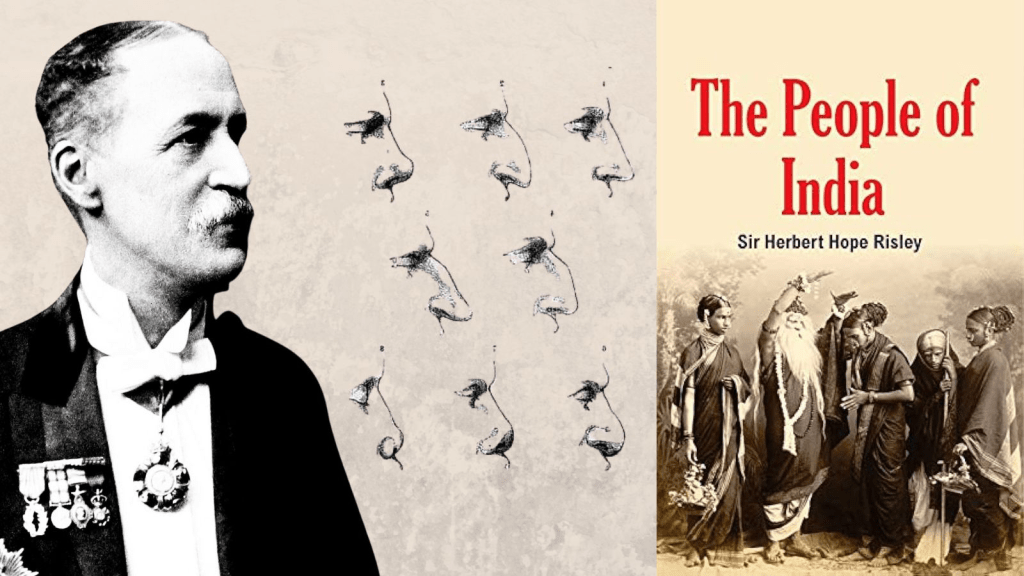
But shadows lengthened with the arrival of red-coated British officers, their boots thudding on dusty Indian roads as they unfurled maps and ledgers. In the sweltering heat of 19th-century census tents, clerks dipped quills into ink, categorizing millions under the gaze of stern administrators like Herbert Risley. Ignorant of the fluid tapestry of varna and jati, they imposed a brittle framework, cherry-picking texts like the Manusmriti to etch permanent lines: Brahmins atop, Shudras below, with new inventions like “Depressed Classes” carving deeper scars. This was no mere count; it was a chaining of identities, a “divide and rule” sleight of hand that turned neighbors into rivals, all for the empire’s grip. Complaints echoed through bazaars and villages, as what was once a philosophical guide became a tool of oppression, mirroring those distant church chains—knowledge controlled, evolution stifled
These colonial imprints seeped into minds and books, distorting the narrative for generations. School textbooks and folklore began framing diversity not as a bond but as a battleground—caste as unchangeable destiny, religions as rival camps—embedding notions of inherent superiority and inferiority. In regions like Tamil Nadu, movements like Periyar’s Dravidian uprising challenged Brahminical dominance with anti-caste fire, but even these noble sparks were later twisted, imprinting North-South divides in manifestos and memories.
Independence in 1947 snapped the physical chains, but the linked list of errors lingered like a ghost in the machine. In the bustling chaos of modern India, where monsoon rains drum on tin roofs and election horns blare through crowded streets, caste shadows every vote. Picture a sun-drenched polling booth in a Tamil Nadu village near Avadi, where lines snake under neem trees: farmers with calloused hands, women in vibrant saris, youth clutching smartphones. Here, manipulative politicians—those silver-tongued puppeteers—seize these imprints for personal empires, transforming unity’s rainbow into a venomous divide for vote banks and corruption.
They exploit the fault lines: parties like the BJP stoke Hindu-Muslim tensions, portraying minorities as threats to rally the majority; Congress or DMK play the caste card, mobilizing OBCs or Dalits with reservations not for upliftment but to secure power. In Bihar or Uttar Pradesh, elections become caste arithmetic, where leaders rise on pride but entrench divisions for greedy gains. Even in Avadi’s proximity to Chennai, Dravidian parties exploit anti-Hindi sentiments or quotas, turning Periyar’s legacy into a game of thrones. This “caste mafia” breeds corruption: elites siphon resources, favoring kin while inciting violence over land or jobs, killing quality governance as rural power blocs block pro-poor schemes to maintain dependencies.
The poison spreads: what was a dharmic balance devolves into adharmic chaos, with protests over reservations or temple entries fueling riots, eroding trust and stalling progress. In one such village, an elder with weathered skin sits on a charpoy, spinning yarns of his grandfather—a non-Brahmin jnani denied his due under British edicts. His grandchildren, eyes wide with hope, now navigate this legacy, their votes chained to colonial misrecords rather than merit’s light.
Yet, amid the turmoil, beacons shine: reformers like B.R. Ambedkar, with his piercing gaze and unyielding pen, drafted a Constitution to heal, urging education and justice without upheaval. Vivekananda’s thunderous calls for unity echo still, reminding us of Arjuna’s dharmic stand in the Gita—fight righteously, honor karma, but break no one’s spirit.
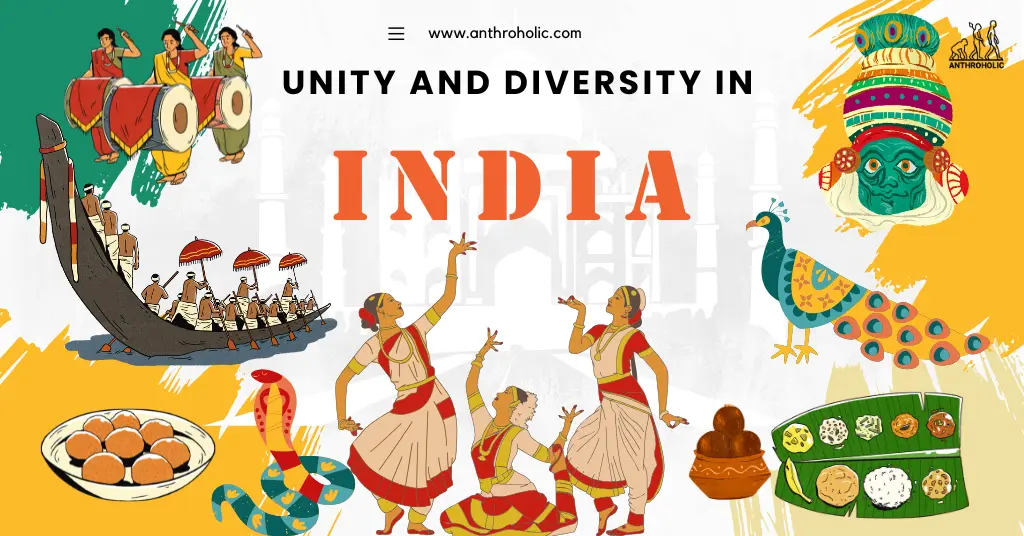
As we pause in mindfulness, sifting the cream from random thoughts, perhaps India can forge new links: ones of equity and clarity. The chained Bible’s distant clink serves as a cautionary tale—true enlightenment thrives unchained, in the vivid dance of actions over accidents of birth. By validating our senses and reclaiming ancient fluidity, we can detoxify the medium, honoring diversity’s true colors without letting greed dim them.
What will you unlink today?
The story unfolds with every mindful step.
 Arambhin
Leave a comment