In the shadow of towering algorithms and endless screens, we stand at the crossroads of flesh and code. I confess a simple truth: I love to walk. Yet in the cities we’ve forged—monoliths of steel and exhaust—the act of placing one foot before the other has become an act of defiance. Our streets, designed for machines rather than mortals, mock the rhythm of our bodies. Herein lies the grand irony of our age: we shell out fortunes for gym memberships to mimic what nature once offered freely—the humble walk. We’ve engineered convenience into every corner of existence, only to sever our tether to the earth. We built cities for cars, not people—now we pay gyms to imitate sidewalks. This is not progress; it is absurdity incarnate, a cultural amnesia where technology devours the soul’s innate wanderlust.
Our urban landscapes are battlegrounds, not boulevards. To walk in the modern city is no longer a communion with the world; it is a gauntlet of survival. Anxiety surges with every blaring horn, fear spikes amid the chaos of traffic, blood pressure rises in the haze of pollution. What was once the body’s symphony of harmony—breath syncing with stride, heart aligning with horizon—has devolved into defensive maneuvering. Health, in this artificial epoch, transcends mere fitness; it demands sanctuary. We cannot thrive if every step feels like a skirmish. Our unlivable cities breed unlivable lives, where the pulse of humanity is drowned out by the roar of engines. Insight dawns: true wellness blooms only when we feel safe enough to move, to exist without armor.
Nowhere is this more starkly evident than in mega-cities like Chennai during the relentless grip of monsoon season, where the heavens unleash torrents that transform streets into rivers and expose the raw underbelly of withheld social justice. Long before the world awoke to the cries of inequality, Chennai’s urban fabric—woven from colonial legacies, unchecked sprawl, and systemic neglect—has amplified the monsoon’s fury, disproportionately burdening the marginalized. The urban poor, crammed into flood-prone slums along encroached waterways and low-lying areas, face not just inundation but existential erasure. Homes dissolve into muck, livelihoods evaporate as fisherfolk and daily-wage workers lose days or weeks to impassable waters, and diseases like dengue and cholera surge in the stagnant aftermath. Women and children, already vulnerable in patriarchal structures, bear the brunt: fetching water becomes a perilous odyssey, schools shutter, and domestic burdens multiply amid displacement. This is no mere act of nature; it is the culmination of withheld justice, where elite-driven development paves over wetlands, dams release waters without warning, and infrastructure favors affluent zones with parks and drainage while the peripheries—home to caste-oppressed and economically disenfranchised communities—languish in planned obsolescence. In Chennai, the monsoon unmasks the illusion of progress: trillion-dollar economies built on the backs of the invisible, where climate change collides with class divides to drown the voiceless first. Walking? It becomes wading, a desperate scramble through knee-deep filth that spikes blood pressure not from traffic but from the terror of collapse. Health devolves into survival, anxiety into despair, as the city’s design—indifferent to ecology and equity—turns seasonal rains into social sieges. Here, the state’s complicity in encroaching on lakes and rivers for IT parks and airports reveals a deeper betrayal: social justice deferred, lives commodified, and the poor left to float in the floodwaters of neglect.
Yet we persist in symbolic gestures, parading our hypocrisy under banners of virtue. We champion cancer marathons and awareness runs, glorifying fleeting spectacles while the daily reality remains unwalkable. What we need is not another charity sprint, but a walk-to-work race—a systemic uprising against the inertia of poor design. Activism must evolve beyond the performative; it must infiltrate the blueprints of our world. Imagine streets reclaimed for soles, not tires; neighborhoods where the air invites lingering, not fleeing. The real revolution isn’t pounding pavements for a cause—it’s reshaping those pavements so that every citizen can traverse them without peril. Urban philosophy demands this: cities as extensions of the human form, not prisons for it.
Beneath the trillion-dollar illusion of progress lies a brutal truth: our economies feast on the vitality of millions, with burnout as their currency and exhaustion their tax. In Chennai’s monsoons, as in every urban sprawl, health collapses not just from disease but from systemic neglect—pavements that betray, air that chokes, and waters that drown the marginalized first. We quantify miles and megabytes, yet neglect the metrics of the soul, living between insurance premiums and app subscriptions, where existence is reduced to transactions. This is the betrayal of our age: we’ve optimized everything except our humanity, trading the rhythm of sunrises for the ticking of commerce, pixelating nature until she dances in 16K sterility.
But another world is possible—one where cities pulse with life, not profit. Picture streets where the crunch of gravel underfoot syncs with birdsong, where the air carries the scent of jasmine and rain-washed earth, not exhaust. Envision neighborhoods dense with laughter and footsteps, where old buildings cradle new dreams and short blocks weave communities together. Here, the walkable soul thrives: children scamper to school without fear, elders linger on benches under neem trees, and workers stroll to markets alive with the chatter of trade. This is biological restoration—cities designed as ecosystems, where economy, ecology, and emotional intelligence converge to nurture, not deplete.
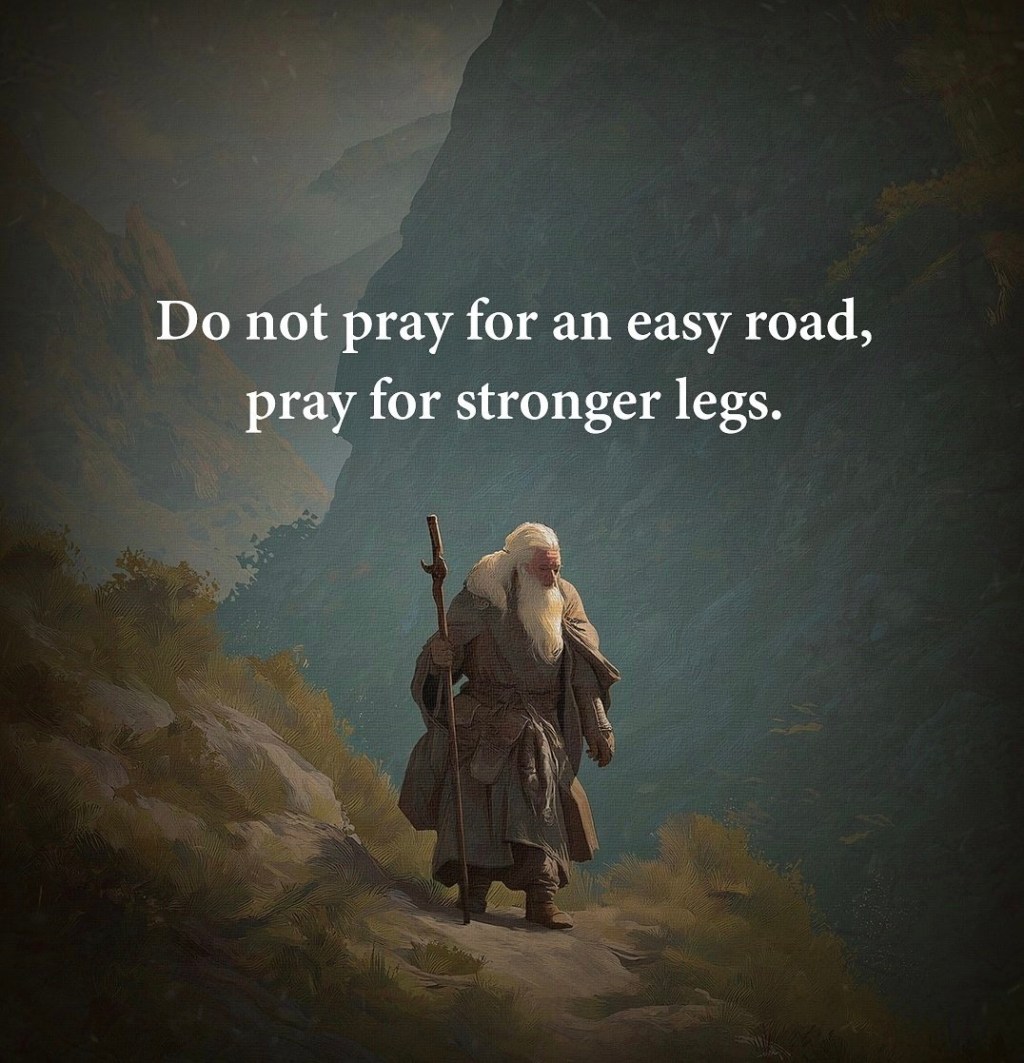
This manifesto is a call to feet, a rebellion against artificial living. We must reject the sterile march of technology that commodifies breath and drowns the voiceless. Instead, let us reclaim verdant paths where every step reconnects us to soil, silence, and each other. The next civilization will not rise from silicon but from the primal wisdom of body and earth. The soul demands it; the earth awaits. Walk on—toward a world where humanity, not hubris, designs the future.

The Walkable Soul: A Manifesto for the Age of Artificial Living
 Arambhin
Leave a comment