
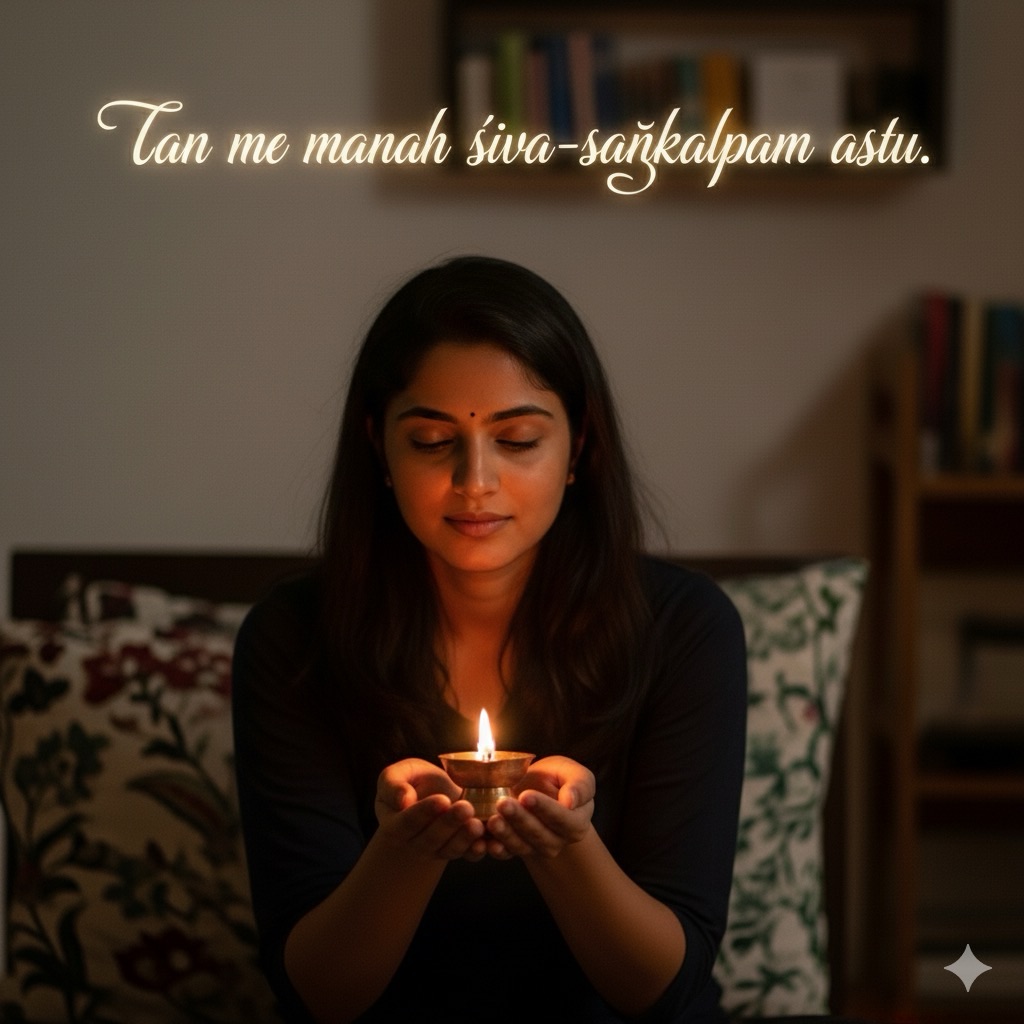
🧠Mind the Medicine, and let your thoughts be your healing.
Ria was 21 and utterly drained.
Not the fleeting fatigue of a late-night cram session, but a bone-deep weariness that clung like fog. Week after week, she perched on the edge of her therapist’s worn leather couch, the room thick with the sterile tang of hand sanitizer and the forced calm of a lavender diffuser. She unpacked her chaos: slipping grades, a ghosting ex, the endless scroll of friends’ highlight reels that left her feeling small. The therapist listened, probed gently, prescribed breathing apps and journaling prompts. Ria would leave with a fragile buoyancy, only for the weight to crash back by dusk, heavier than before.
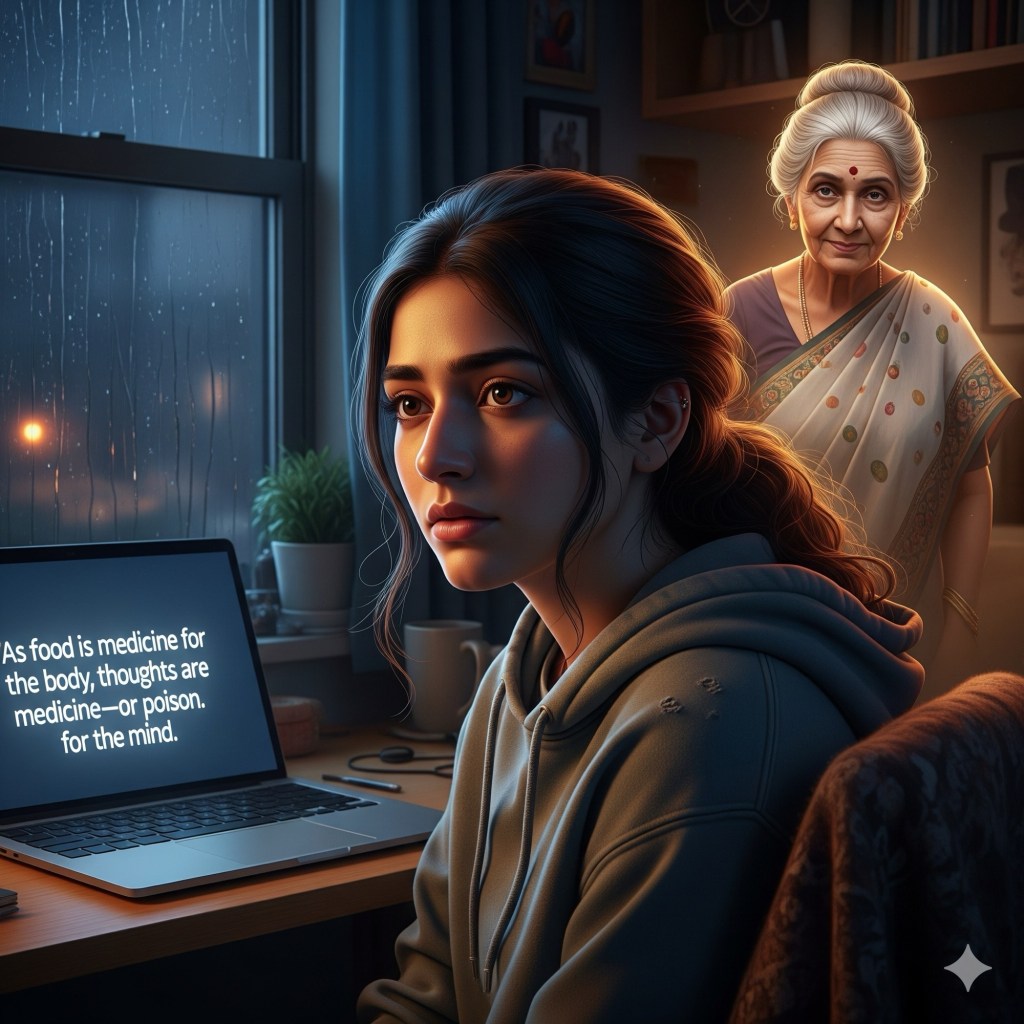
Why does venting make me feel more broken? she thought, staring at her reflection in the rain-streaked window of her cramped apartment.

One stormy evening, buried in her feed amid ads for wellness gummies, a quote pierced the noise: “As food is medicine for the body, thoughts are medicine—or poison—for the mind.” It echoed like a forgotten melody, stirring memories of her late grandmother. Nani, with her silver-streaked hair and steady hands, had risen before dawn each day, the soft clink of her bangles syncing with the flicker of a brass diya. “Light banishes shadows in the room,” she’d say in her warm Hindi lilt, “but pure thoughts banish them in the soul.” And sometimes, Nani would hum a line that Ria never understood back then:
“tan me manaḥ śiva-saṅkalpam astu”—May my mind hold an auspicious resolve.
Ria felt a pull, a quiet rebellion against her cycle of dependency. What if I try it her way?
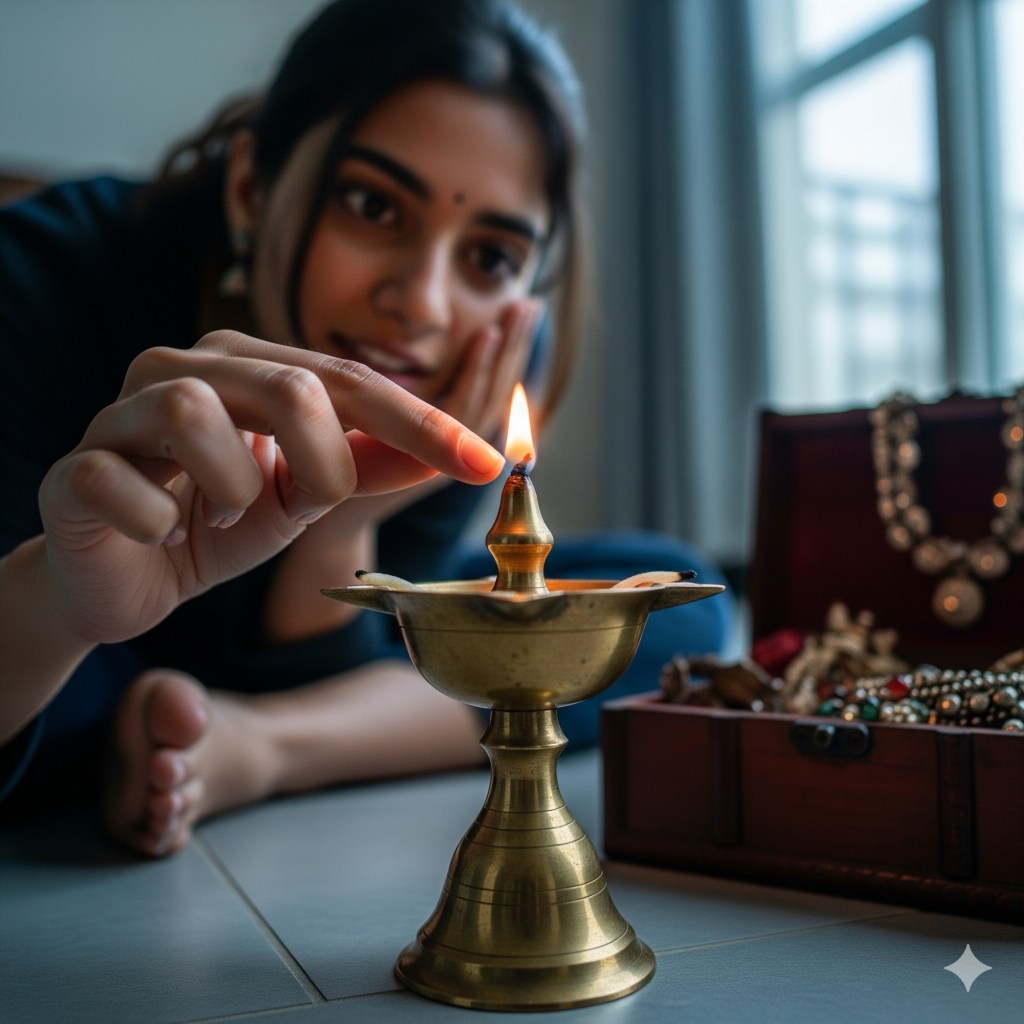
The next morning, she rummaged through a dusty box of heirlooms and found Nani’s old diya. With trembling fingers, she poured sesame oil, struck a match, and watched the flame dance to life. The warm glow cut through the chill of her room, carrying hints of earth and smoke. Barefoot on the cool tile, she whispered the mantra: tan me manaḥ śiva-saṅkalpam astu. Peace washed through her—not a tidal wave, but a gentle ripple, steadying her pulse.
Her roommate Aisha burst in, coffee mug in hand, eyes widening at the setup. “Whoa, Ria, channeling your inner yogi now? Or is this some new TikTok trend?” Aisha’s laugh was light, but it stung—Ria felt exposed, silly. “Just… trying something old-school,” she replied, cheeks burning as she blew out the flame.
Yet she persisted. Mornings became sacred: the diya’s ritual, a few minutes of chanting to anchor her breath, and one intentional thought jotted in a worn notebook before sleep. Doubts crept in—Aisha’s teasing glances, the therapist’s voice in her head urging “professional help”—but subtle shifts emerged. Colors seemed brighter; her steps, surer. She even caught herself mid-scroll one evening, ready to spiral into envy, and whispered the mantra instead: May my mind hold an auspicious resolve. It was like changing the dose of her thoughts, swapping poison for medicine.
The real crucible came that weekend. Her father’s call loomed like a storm cloud—his voice, always laced with disappointment, dissecting her “lack of discipline” like a surgeon. In the past, she’d dodge it, heart racing, or end up in tears, replaying his words like a toxic loop. This time, as the phone vibrated, she paused. Lit the diya. Inhaled the grounding scent. Whispered the mantra once more. Answered.
“Papa, my grades slipped because—” He interrupted, his baritone booming through the speaker, critiquing her choices, her focus, her future. The old panic surged, but Ria breathed through it. “I hear you,” she said steadily, “and I’m working on it my way.” No meltdown. No aftermath of self-doubt. When the call ended, she sat in the flame’s glow, astonished. I didn’t shatter. I stood.
Aisha, overhearing from the kitchen, poked her head in. “That sounded intense. You okay?” For once, her tone held curiosity over sarcasm.
Ria nodded, a small smile breaking through. “It’s this mind medicine thing. Thoughts can poison you if you let them—or heal you if you choose better ones. Like Nani taught, without saying a word.”
That night, her notebook entry read: Strength isn’t in spilling every secret to a stranger. It’s in the quiet rituals that rebuild you from within. Back to roots, forward to peace.
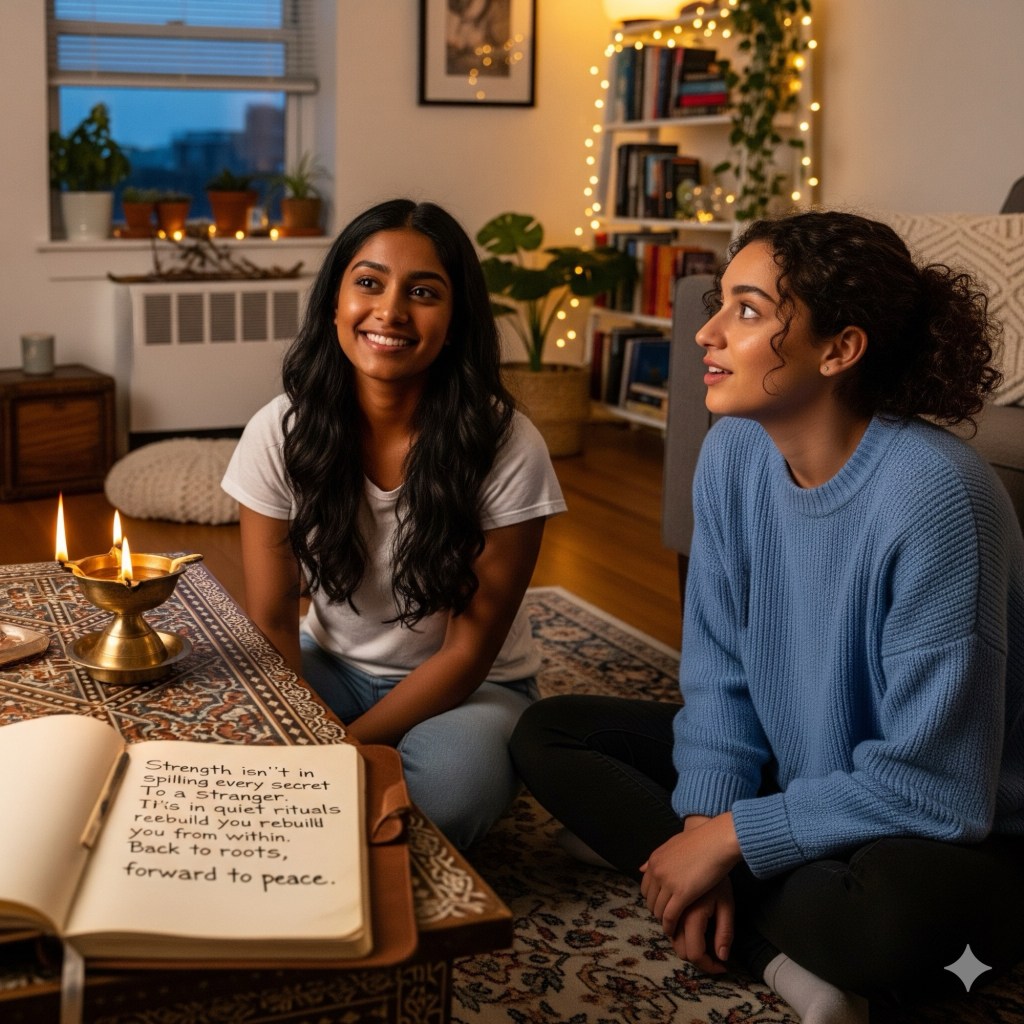
The exhaustion? It didn’t vanish overnight, but it loosened its grip. Ria’s mind transformed—from a fragile ward in need of constant care to a resilient temple, lit from inside. And slowly, Aisha started asking questions, even joining a chant or two. The medicine was spreading.
As Ria blew out the diya one evening, she whispered the mantra once more.
“Tan me manaḥ śiva-saṅkalpam astu.”
And for the first time, she understood: Nani’s prayer wasn’t for the world to soften, but for the mind to stand firm.
✨ Takeaway: In a world pushing pills and pros for every pang, reclaim your power with ancestral anchors. Small rituals aren’t just habits—they’re armor.
🧠 Mind the Medicine: Whispers Go Viral
…As Ria blew out the diya one evening, she whispered the mantra once more. “Tan me manaḥ śiva-saṅkalpam astu.” And for the first time, she understood: Nani’s prayer wasn’t for the world to soften, but for the mind to stand firm.
Weeks blurred into a rhythm of quiet power. Ria’s grades steadied, her ex faded into irrelevance, and even the endless feed felt less like a trap. But the real ripple hit when Aisha, now a reluctant ritual buddy, suggested: “You should share this. Like, on TikTok. People are drowning in the same fog.”
Ria hesitated— her rituals felt private, sacred. But one restless night, mantra echoing in her head, she hit record. In the soft diya glow, she shared: “This ancient line from my Nani changed everything: ‘Tan me manaḥ śiva-saṅkalpam astu’—may my mind hold auspicious resolve. It’s not magic; it’s medicine for thoughts that poison you.” She explained simply: Light a lamp (or candle), breathe, repeat. Hashtag: #MindTheMedicine.
The video exploded— 50k views overnight, then 500k. Comments flooded: “Tried it during my panic attack—worked!” “Finally, something real beyond therapy memes.” But trolls lurked: “Cultural appropriation alert.” “Pseudoscience BS.” One viral reply twisted the mantra into a joke filter, turning it trendy but trivial.
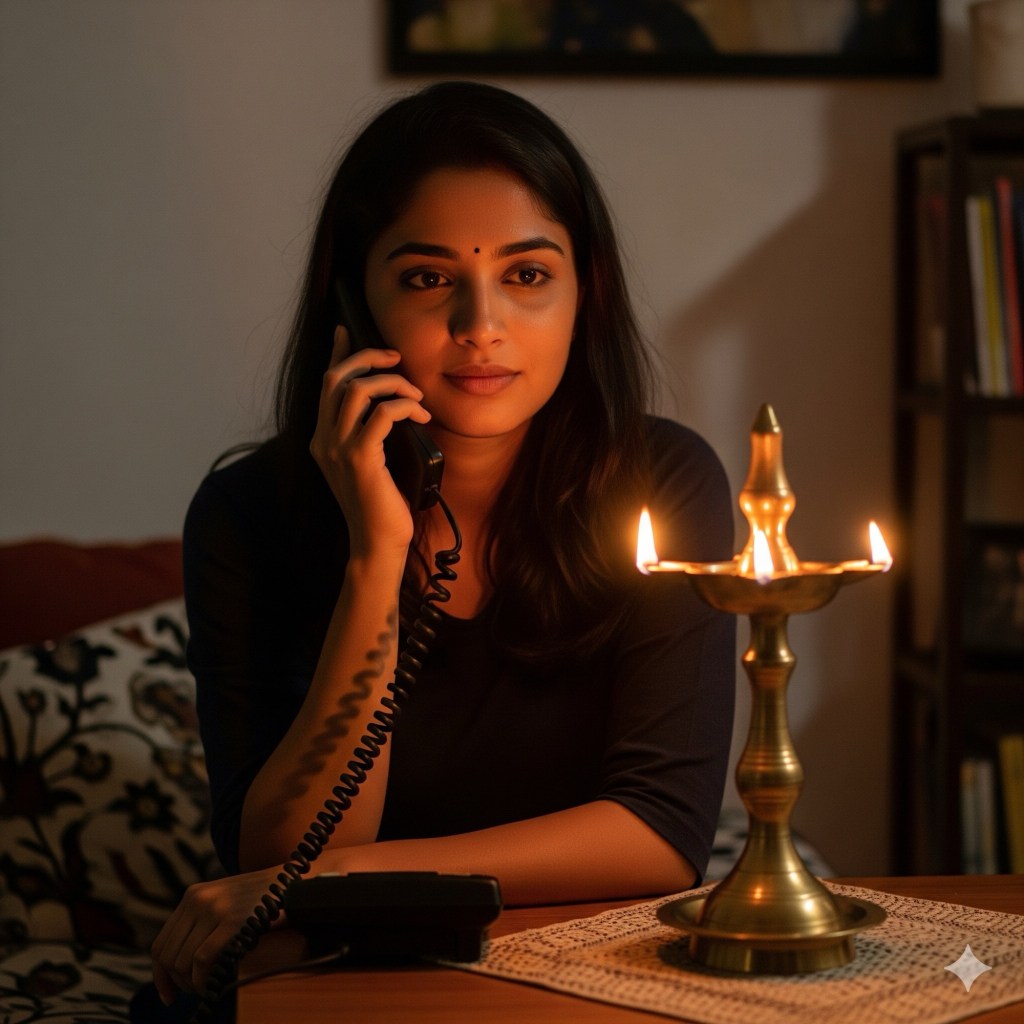
The backlash stung like old wounds reopening. Ria doomscrolled, doubts creeping: Am I diluting Nani’s legacy? Her father’s voice echoed in her mind, critiquing her “frivolous online nonsense.” Heart racing, she nearly deleted the post. Instead, she lit the diya, inhaled deeply, and whispered: Tan me manaḥ śiva-saṅkalpam astu. Auspicious resolve. Not perfection, but persistence.
She went live the next day: “This isn’t a trend— it’s a tool from the Vedas, passed down. Use it with respect, or don’t. But if it helps one person swap poison for peace, that’s enough.” Viewers shared stories— a student acing exams, a mom finding calm amid chaos. Aisha chimed in on camera: “It started with her weird lamp thing. Now it’s my armor too.”
Ria’s exhaustion? Alchemized into energy. Her temple wasn’t just lit inside; it cast shadows outward, illuminating others. The medicine wasn’t spreading— it was multiplying, one mindful resolve at a time.
✨ Takeaway: Ancestral wisdom isn’t static; it’s shareable spark. In the viral storm, mind your medicine— let it ground you, then let it guide. Thoughts as armor, resolve as resolve.
 Arambhin
Leave a comment